

News
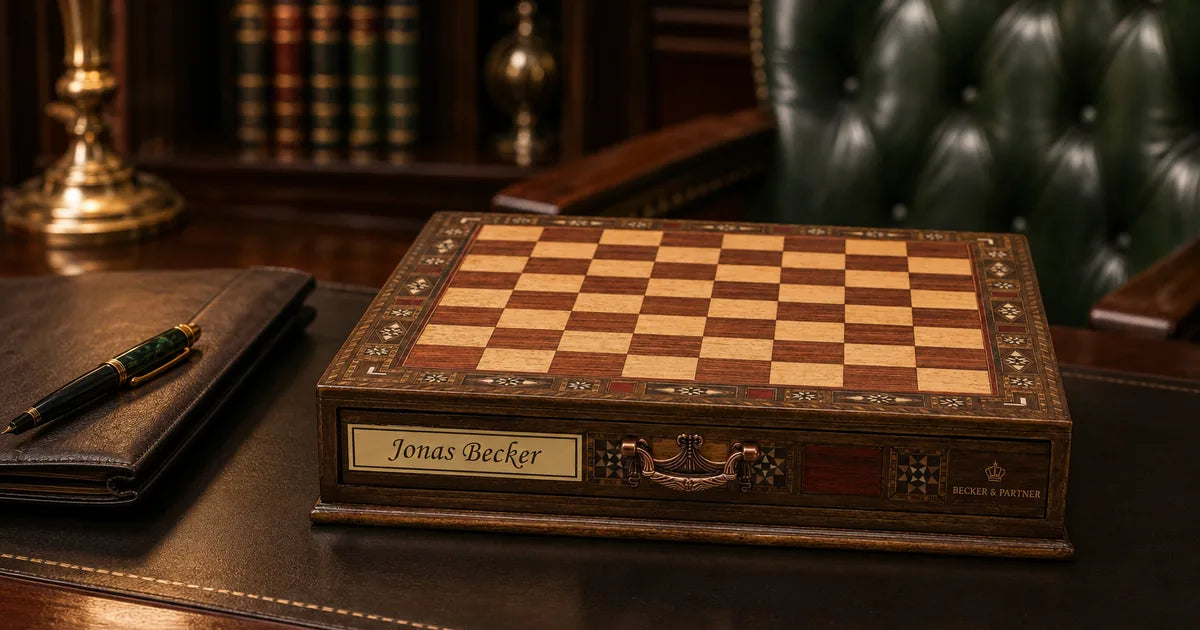
AI vs. Craftsmanship: Will Technology Replace Handmade Chess Sets?
Artificial intelligence today designs furniture, optimizes manufacturing processes, and even writes product descriptions. One question naturally comes to mind: will technology eventually replace th...
Read more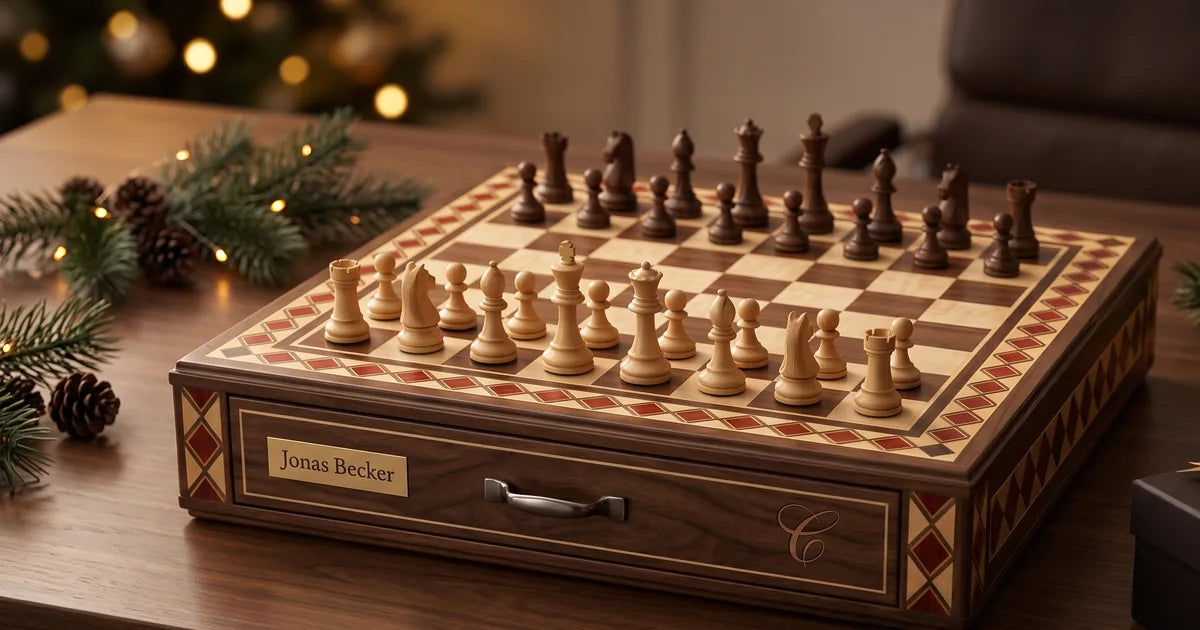
Softwood or Hardwood: What Really Matters for a Chess Board
When buying wood for furniture or flooring, softwood and hardwood come up often. With chess boards, this distinction is rarely explained — yet it plays a major role in how long a board actually las...
Read more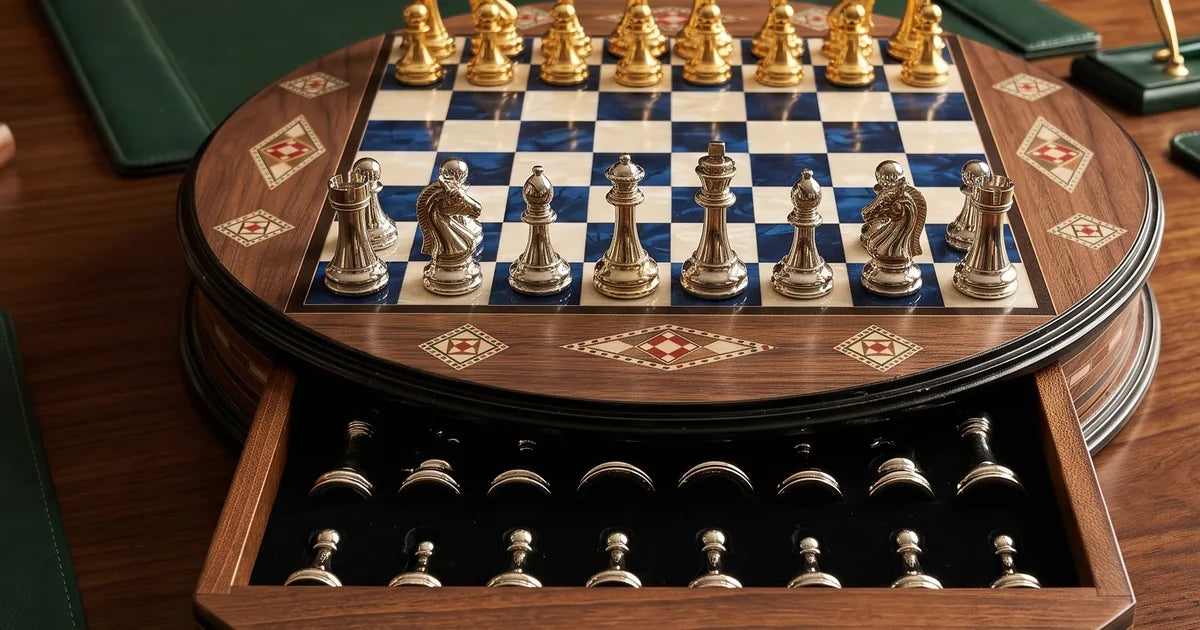
Mahogany for Chess Boards: A Warm Redwood with History
Few woods carry as much history as mahogany — the material of choice for fine furniture for centuries, and just as long prized for high-quality chess boards. What sets mahogany apart Mahogany is a ...
Read more
Birch for Chess Boards: A Light, Sturdy Wood in Focus
Alongside familiar classics like maple or boxwood, an underrated wood keeps showing up in chess boards: birch. Less prestigious by name, but a surprisingly good technical choice. What sets birch ap...
Read more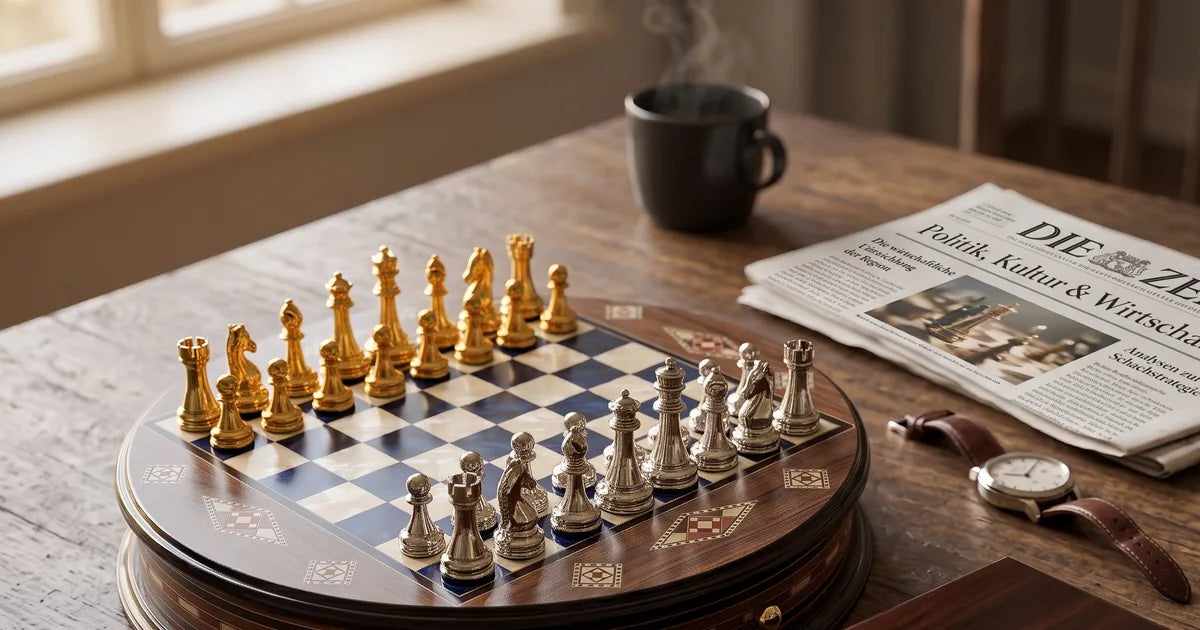
Travel Chess and Magnets: An Honest Assessment
Travel chess and magnets often get mentioned in the same breath — almost as if one necessarily belongs with the other. A closer look shows that's only partly true. Where magnets genuinely help on t...
Read more
Magnetic Chess vs. Weighted Solid Wood: Which Really Holds Better?
Two technologies promise the same thing: a piece that stays put where you set it down. Magnets and weight solve this problem in fundamentally different ways — with different trade-offs. How magnets...
Read more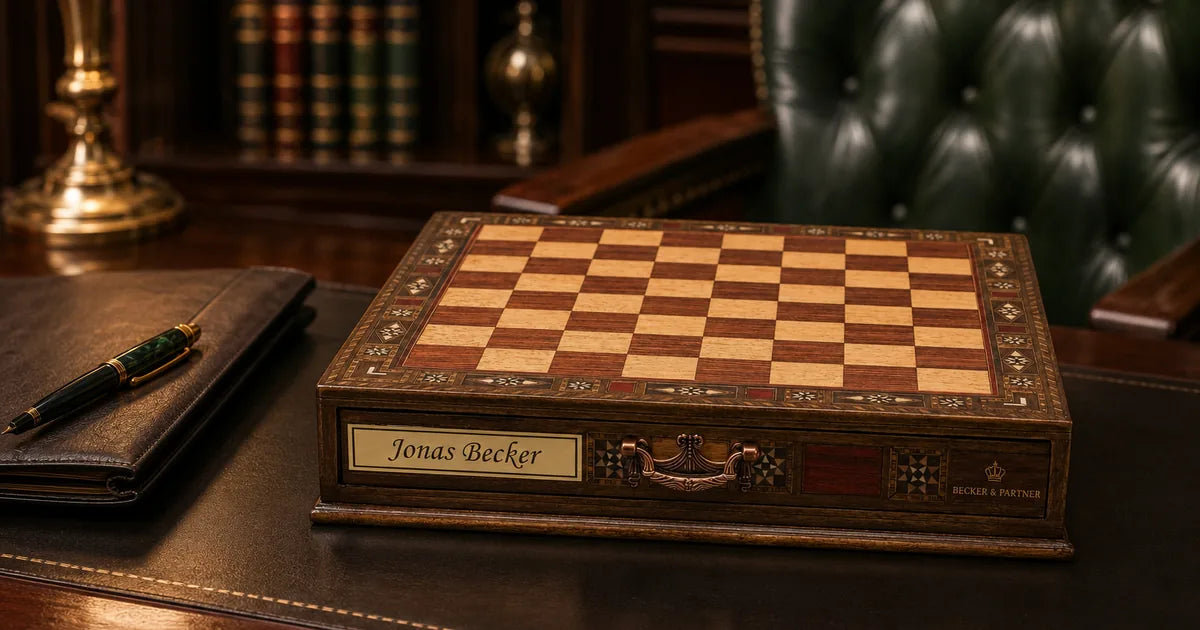
What Really Makes a Chess Set 'Premium'?
"Premium" shows up on almost every other chess set listing. The word has become nearly meaningless by now. What actually makes a set high-quality — beyond the label? Material: the starting point So...
Read more
Tournament-Ready Checklist: What a Competition Chess Set Really Needs
Anyone who plays in a club or is preparing for tournaments wants to train at home on equipment that feels like the real competition table. But how do you know if a set actually meets that standard?...
Read more
Why Is a Chess Set Expensive? The Cost Breakdown
Fifteen euros at the supermarket, several hundred at a workshop — for the same game with the same rules. The question "why is it so expensive?" is a fair one. Here's the honest answer, cost item by...
Read more
Which Wood Combination Works Best? Light and Dark Contrast Compared
A chess board is almost always made from two woods — one light, one dark. Which combination is right depends less on personal taste than most people think. There are clear, proven patterns. The gol...
Read more
Sheesham in Chess Pieces: India's Rosewood Alternative
Alongside rosewood, a second name keeps coming up in chess pieces: sheesham. Some use the terms almost interchangeably — not quite accurately, since there are real differences. What sheesham is She...
Read more
Maple for Chess Boards: The Light Counterpart to Walnut
While walnut takes care of the dark squares, another wood handles the light side on most classic chess boards: maple. Unassuming, but essential. What sets maple apart Maple is a fine-grained, light...
Read more
Walnut for Chess Boards: Properties and Advantages
Click through chess board listings for long enough, and you'll run into the same name almost everywhere: walnut. That's no accident — few woods balance looks, stability, and availability quite so w...
Read more
Chess Season Begins: Why Fall Is the Best Time for the Board
In summer, most people head outdoors — the garden, long evenings, little appetite for sitting still and concentrating at a table, as described in Chess in the Garden. Fall reverses that: evenings g...
Read more
Why Chess Pieces Can Crack in Fall and Winter
Every year, the same thing happens in fall: the heating comes on, indoor air gets drier — and on some wooden objects, fine cracks suddenly appear that weren't there before. High-quality solid wood ...
Read more
Oil Finish or Lacquer: Which Finish Lasts Longer on Chess Pieces
Two chess pieces made from the same wood can feel and age completely differently — the difference often comes down to the surface treatment. Oil finish and lacquer are the two most common methods, ...
Read more
Felt Bottoms on Chess Pieces: A Small Detail, A Big Difference
When judging a chess set, the first things you notice are wood type, color, and the shape of the pieces. One detail is often overlooked, even though it reveals a lot about the actual quality of the...
Read more
Chess Piece Weight Explained: What Lead Weighting Actually Does
Anyone starting to explore high-quality chess pieces quickly runs into a confusing range of weight figures — anywhere from a light 20 grams to over 90 grams per king. Without a point of comparison,...
Read more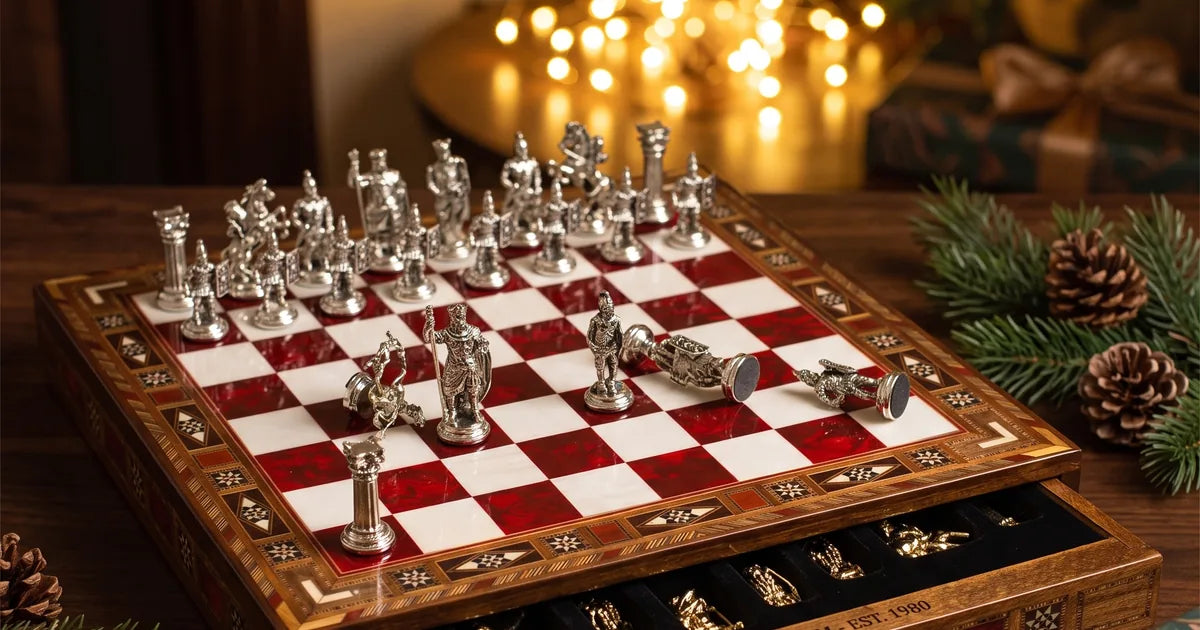
Boxwood in Chess Pieces: The Standard for Staunton Sets
Few woods are as closely tied to classic chess design as boxwood. Since the Staunton form was established in the 19th century, it has been the first choice for light pieces — for good reason. Why b...
Read more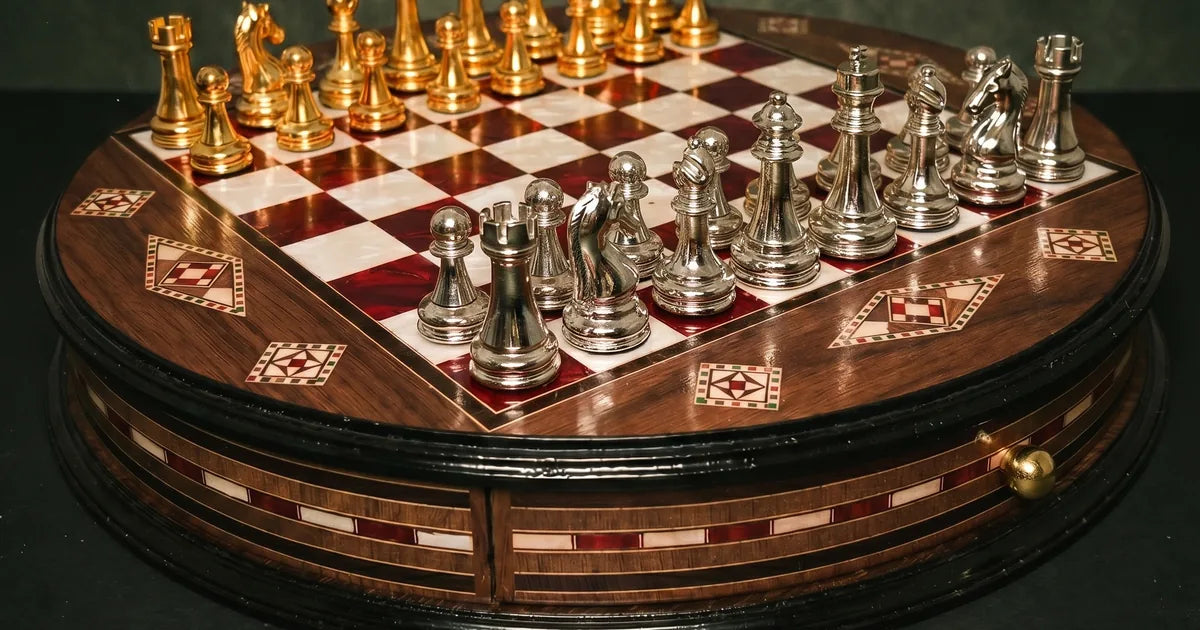
Ebony in Chess Pieces: Why It's the Standard for Black
Anyone exploring high-quality chess pieces will almost inevitably come across ebony — the material that has been the standard for dark pieces for generations. But what makes this wood so special, a...
Read more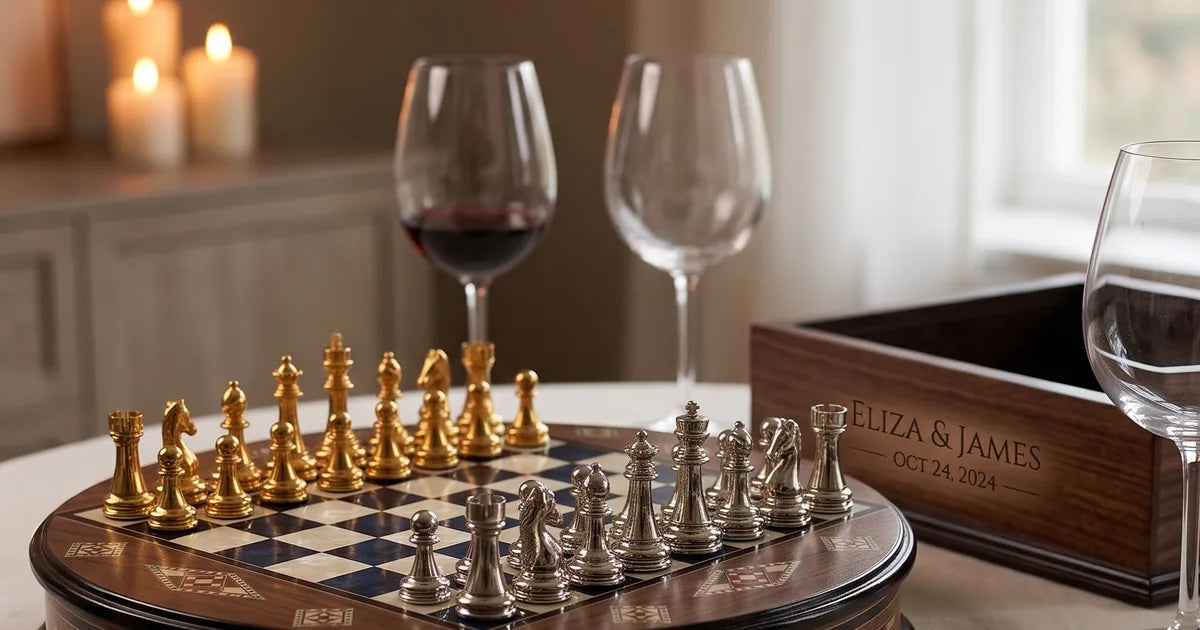
Rosewood in Chess Pieces: Properties and Care
Rosewood is one of those woods that has become almost synonymous with luxury in the world of high-quality chess pieces. The dark, often reddish-brown grain with fine dark veins makes every piece on...
Read more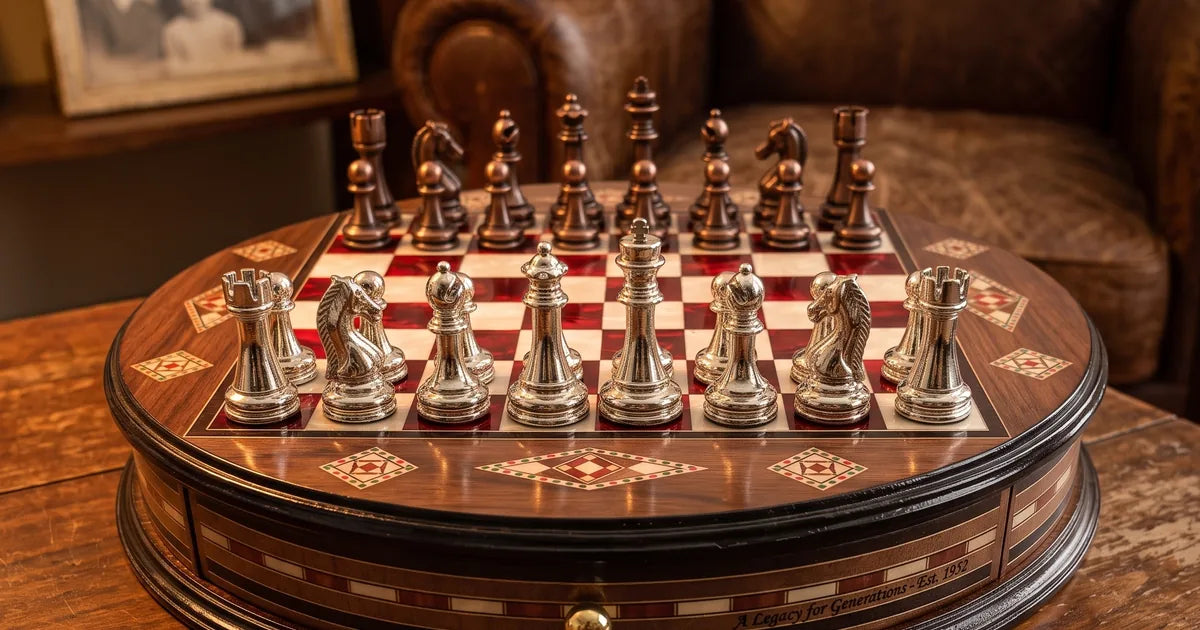
The Inherited Chess Set: How to Handle It
A chess set from a grandparent's estate is rarely just an object. It carries memories — of evenings spent together, a particular home, a particular person. That's exactly what makes the decision ha...
Read more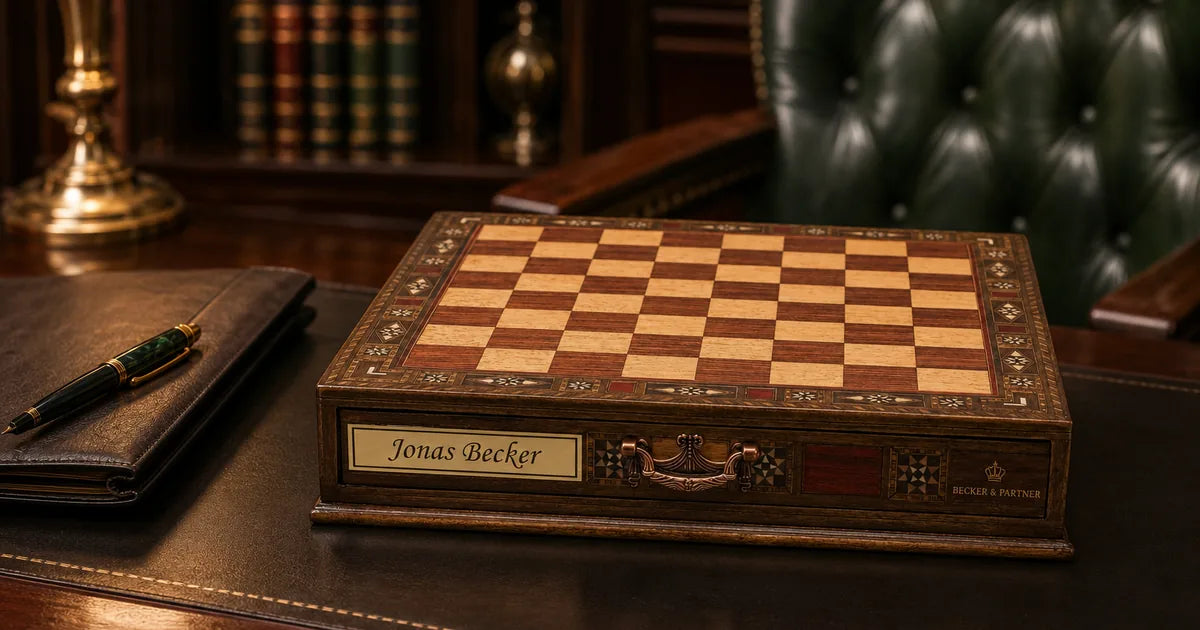
The Chess Box: When the Board and Storage Are One
Board on top, pieces protected underneath: what makes a good chess box, what to check in the insert and closure — and why it shines as a gift.
Read more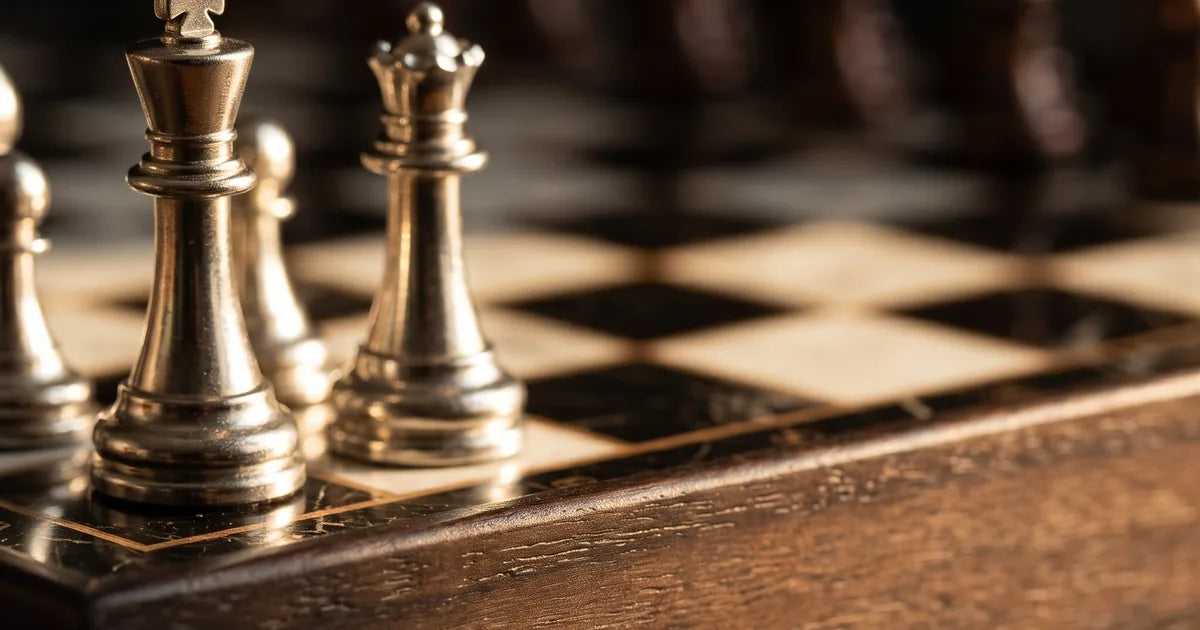
Chess Set as Décor and Playable Piece
A chessboard on the living room table makes a quiet statement: this is where thinking happens, where time is invested. No wonder many people want a chess set for its looks first. The real question ...
Read more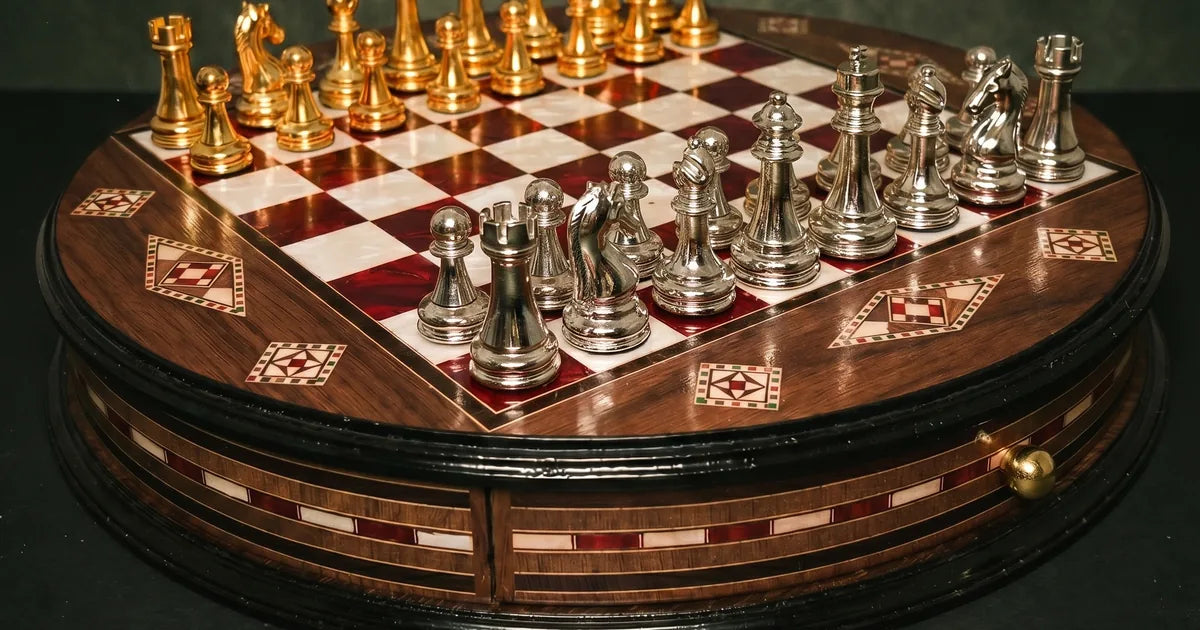
Corporate Gifts and the $25 IRS Limit: The Number That Shapes Everything
One number shapes how an entire country gives corporate gifts — even though it applies less often than most assume. What's really behind the $25 IRS limit, and the exception almost nobody uses.
Read more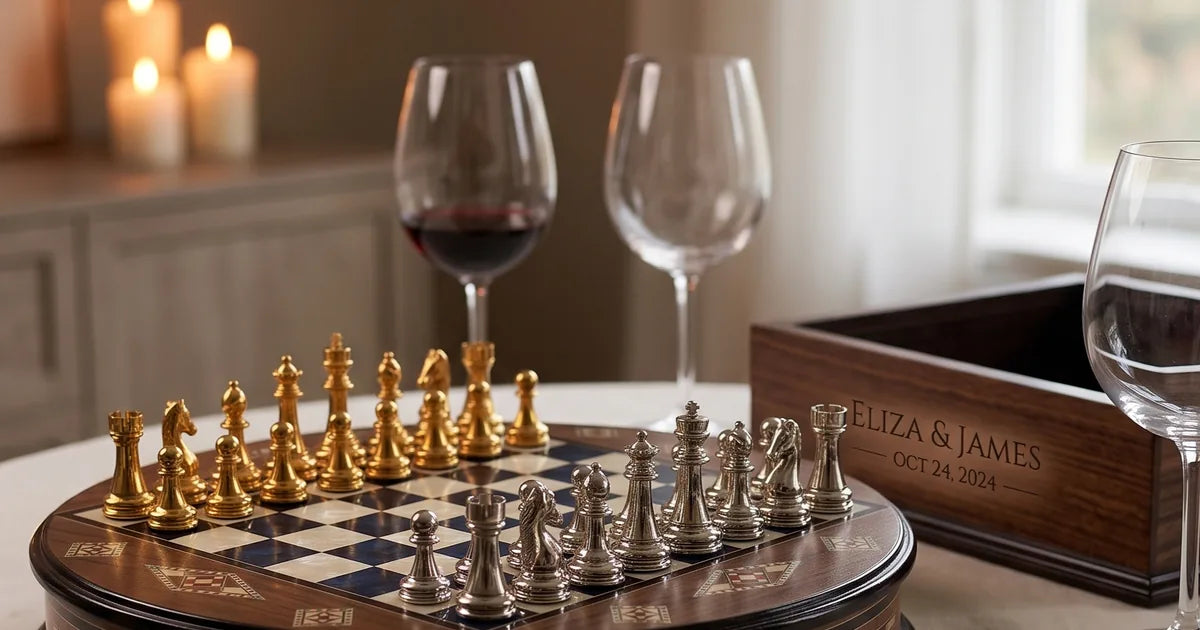
Craftsmanship and Chess: Why a Board Demands More Than a Board
Precise, stable, tactile, and still restrained: why a chess set ranks among the most demanding pieces of craftsmanship — and what tradition really means.
Read more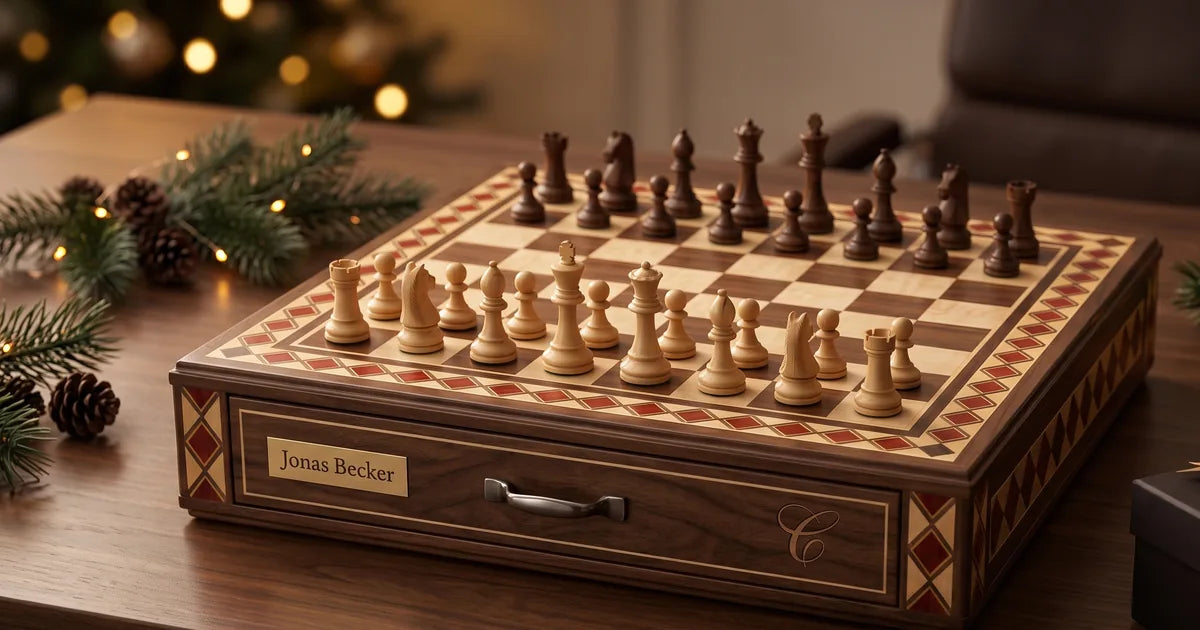
Folding Chess Sets: Practical Without Looking Cheap
The hinge decides everything: how to spot a good folding chess set, the test you can run in the store — and when a box is the better choice instead.
Read more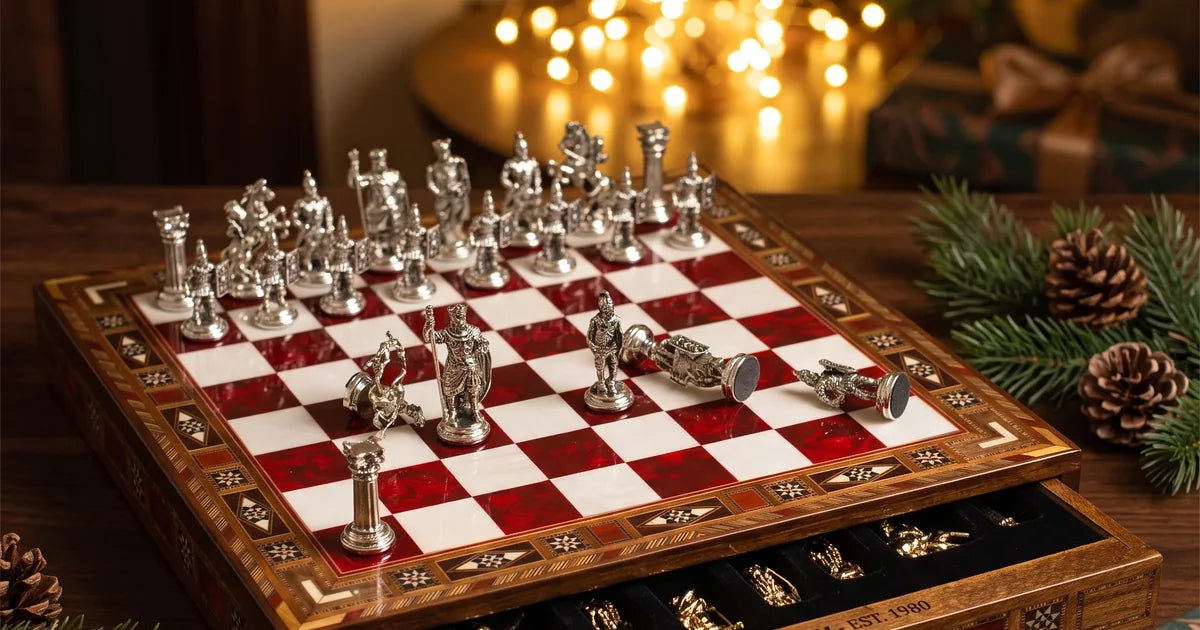
Chess Set Prices: Why Fifteen Dollars and Six Hundred Aren't the Same
Fifteen dollars or six hundred — both have 64 squares. What actually drives the price difference, and when a pricier chess set pays off.
Read more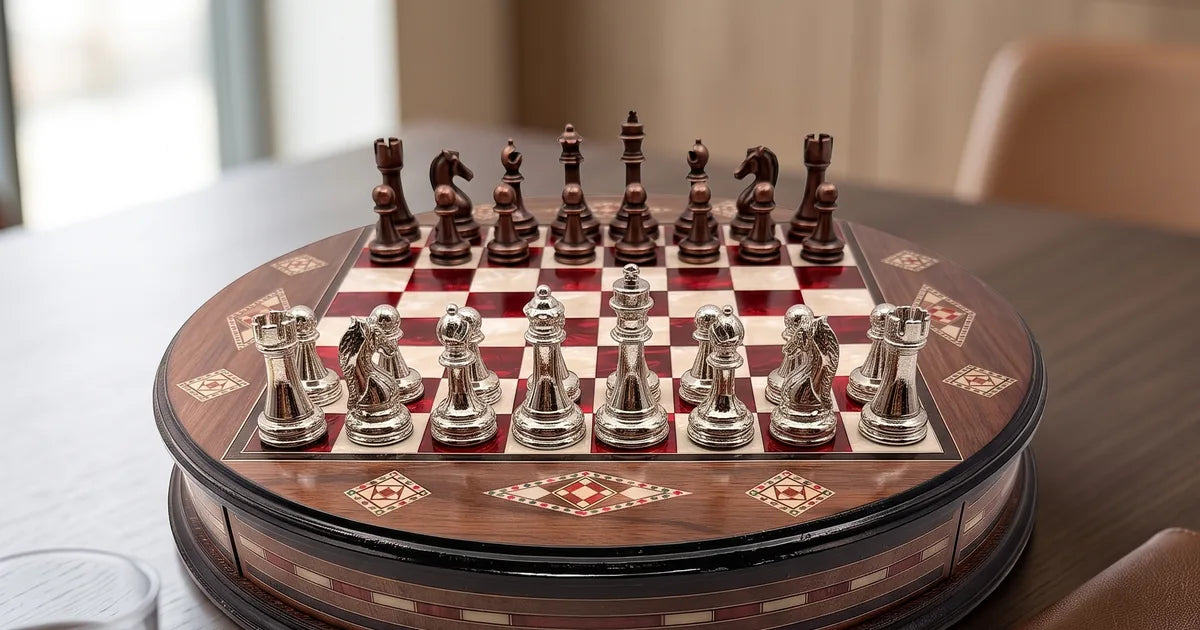
Magnetic Chess Sets: When They Make Sense — and When They Don't
Magnets solve a real problem — just not everywhere. When they make sense, when they cost you the feel of the game, and what they can never replace.
Read more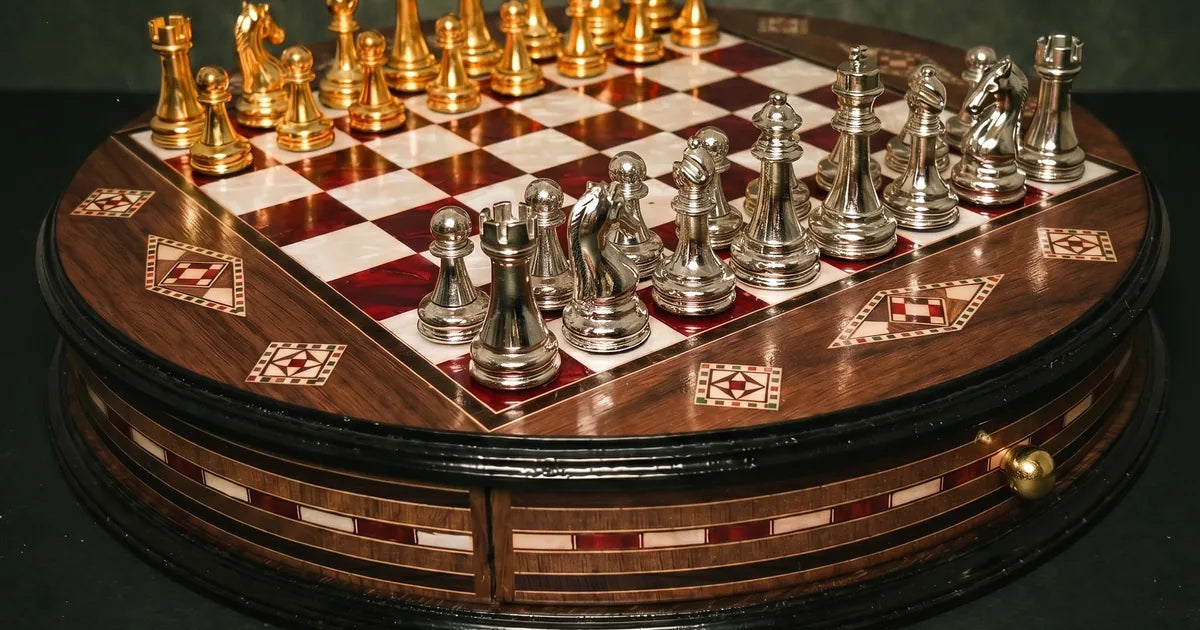
Solid Wood or Veneer: The Difference You Only Notice Later
They look the same in a photo — not after ten years. How to tell whether a chess board is genuinely solid wood or just veneered.
Read more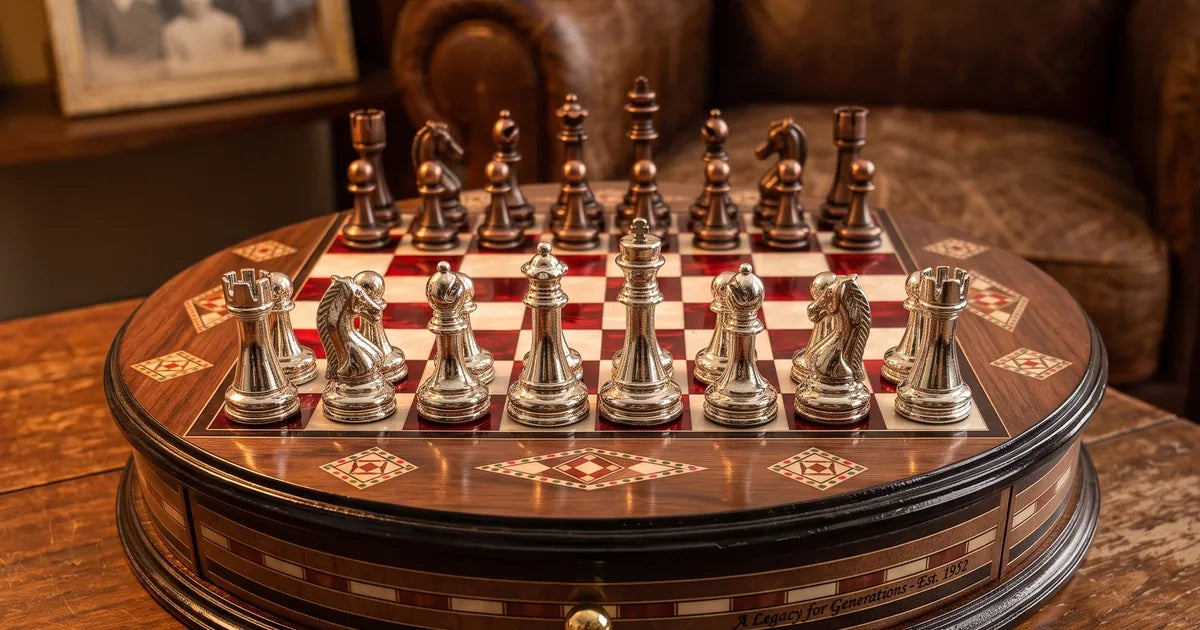
Weighted Chess Pieces: Why Weight Determines How the Game Feels
Metal in the base, felt underneath: why weighted chess pieces change how the game feels — and how to spot good pieces just by holding them.
Read more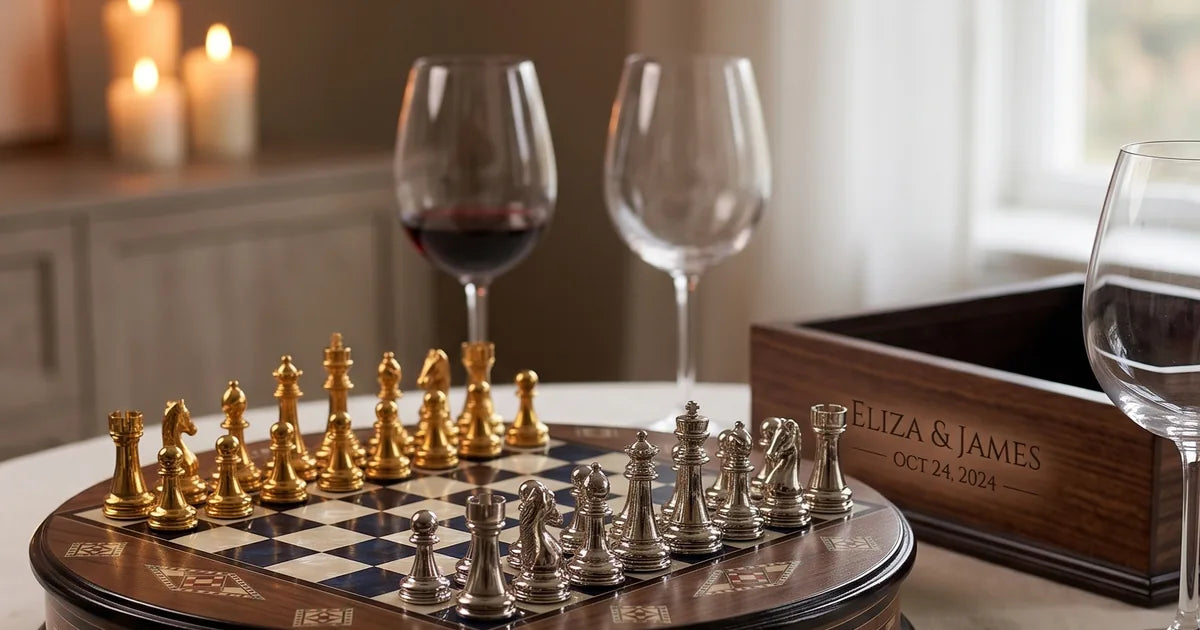
Chess Board Size: Dimensions, Square Size and Matching King Height
How big is a chess board? Dimensions, square size by king height, a size chart and the four-pawn test — so board and pieces always match.
Read more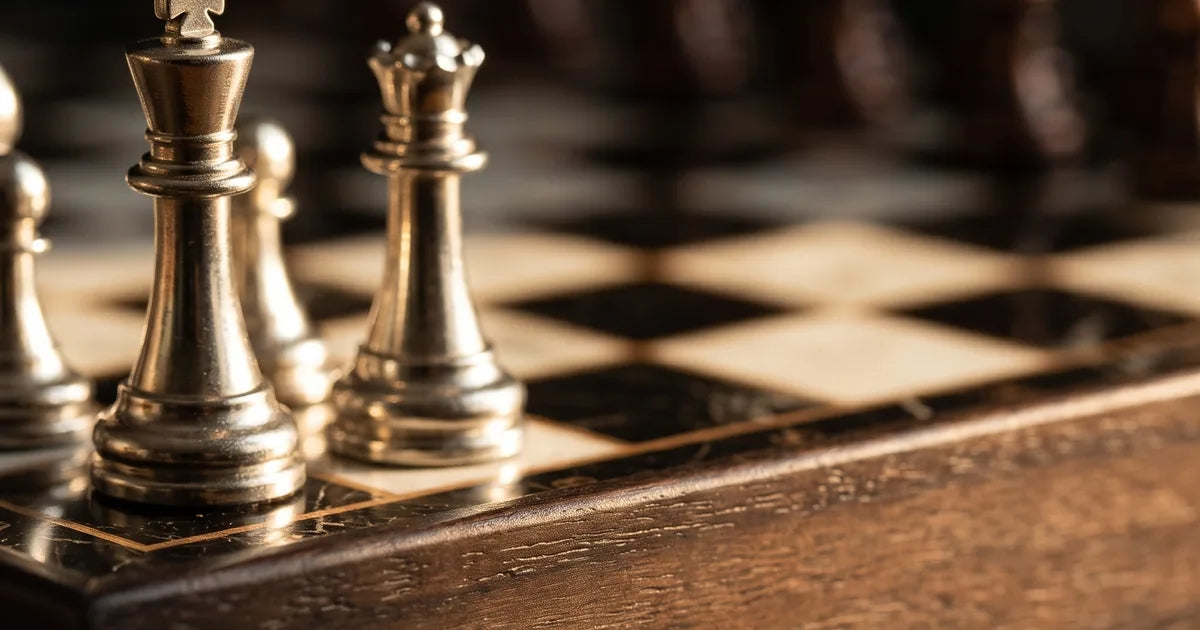
Buying Chess Pieces Separately: What Matters When You Already Have a Board
Board's here, pieces are missing: which king height matches which square size, what to check for in shape, weight, and contrast — and when a full set makes more sense.
Read more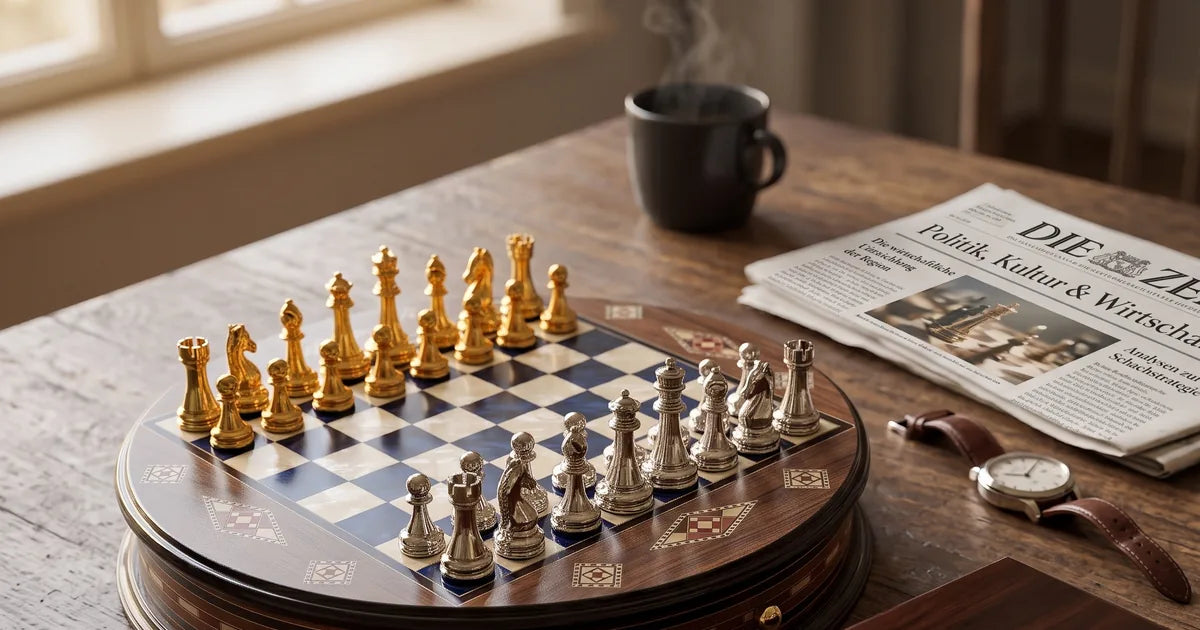
Handcrafted or Mass-Produced: How to Actually Tell the Difference
The knight gives everything away: how to spot genuine handwork, what machines actually do better — and why irregularity is a mark of quality.
Read more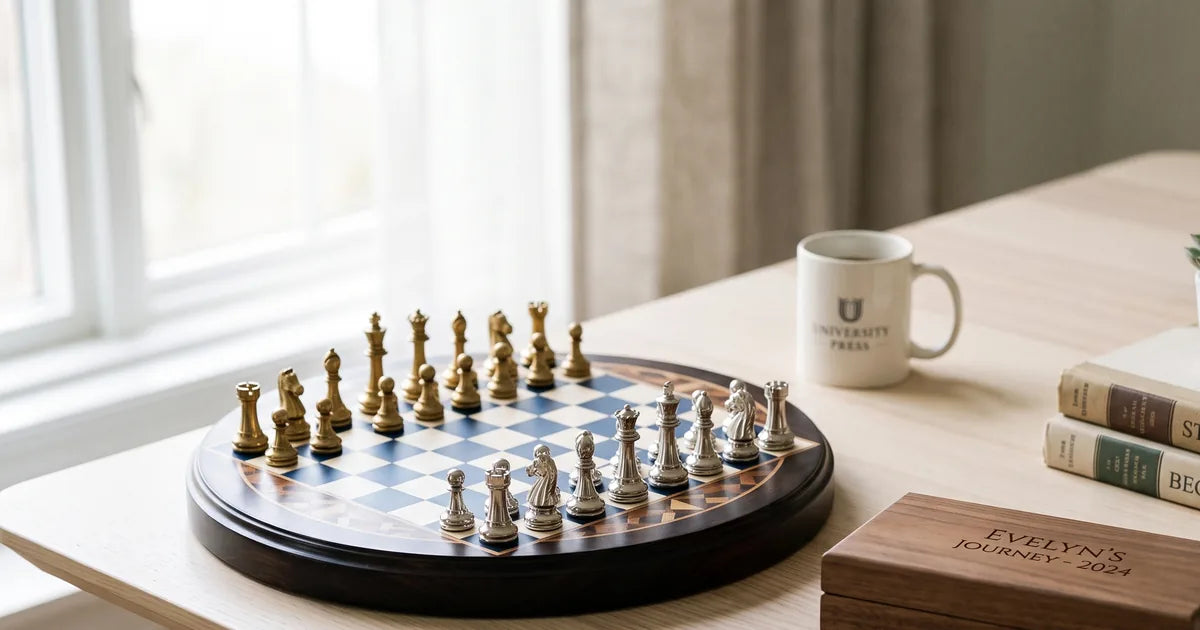
The Local Chess Club: An Institution Almost Nobody Notices
It exists in almost every town: what a chess club actually is, why playing at a real board differs from online chess — and what board belongs at home.
Read more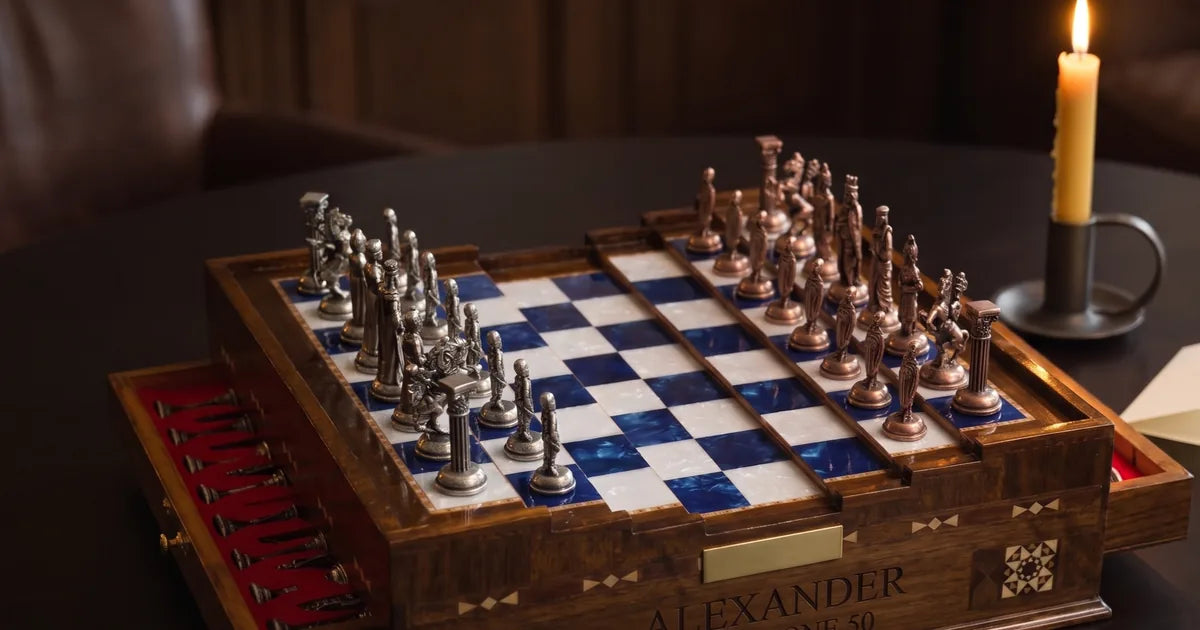
Staunton Chess Pieces: Why an 1849 Design Still Rules Today
Designed in 1849, still the world standard today: what defines the Staunton design, why it won out — and how to tell good pieces from bad.
Read more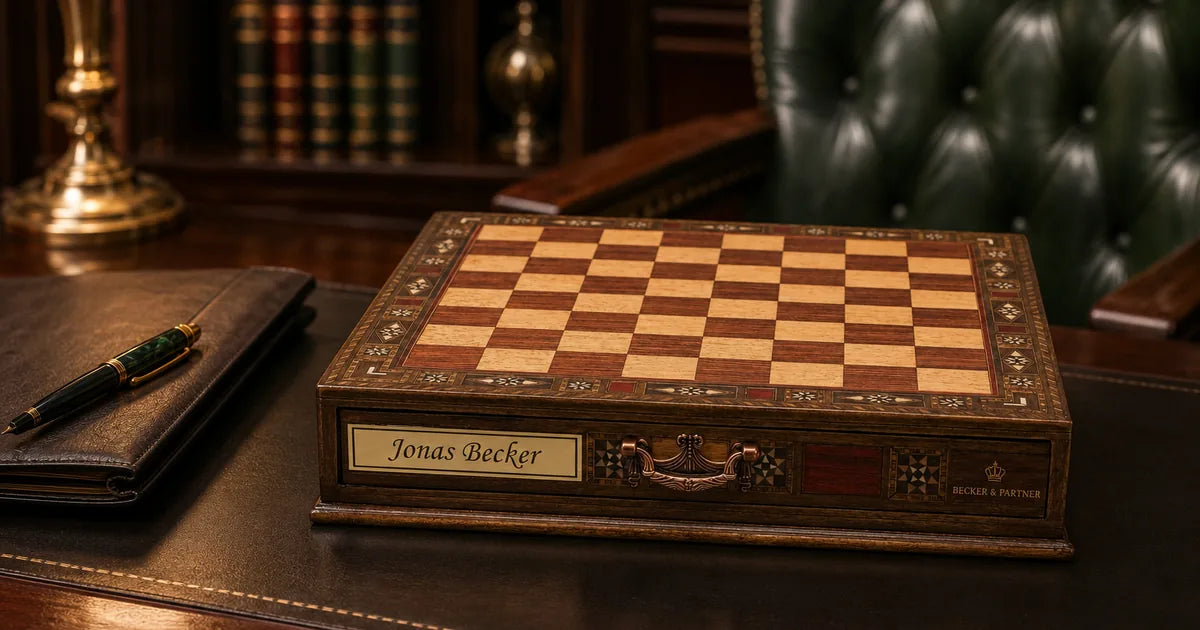
Caring for a Chess Board: What Wood Needs — and What Damages It
A solid wood board doesn't need much — but it genuinely needs what little it does. What never to do, how to oil it properly, and why air is the real enemy.
Read more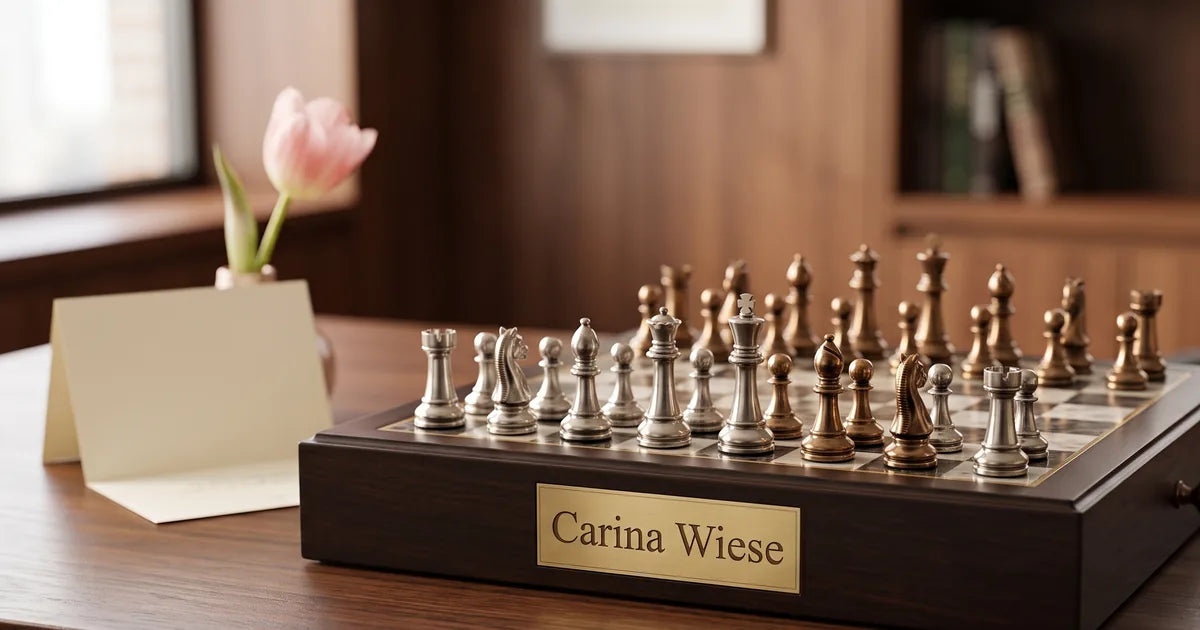
Travel Chess Sets: Small, But Done Right
Small doesn't mean cheap: what makes a good travel chess set, where the size limit sits — and why compact sets get used more often than large ones.
Read more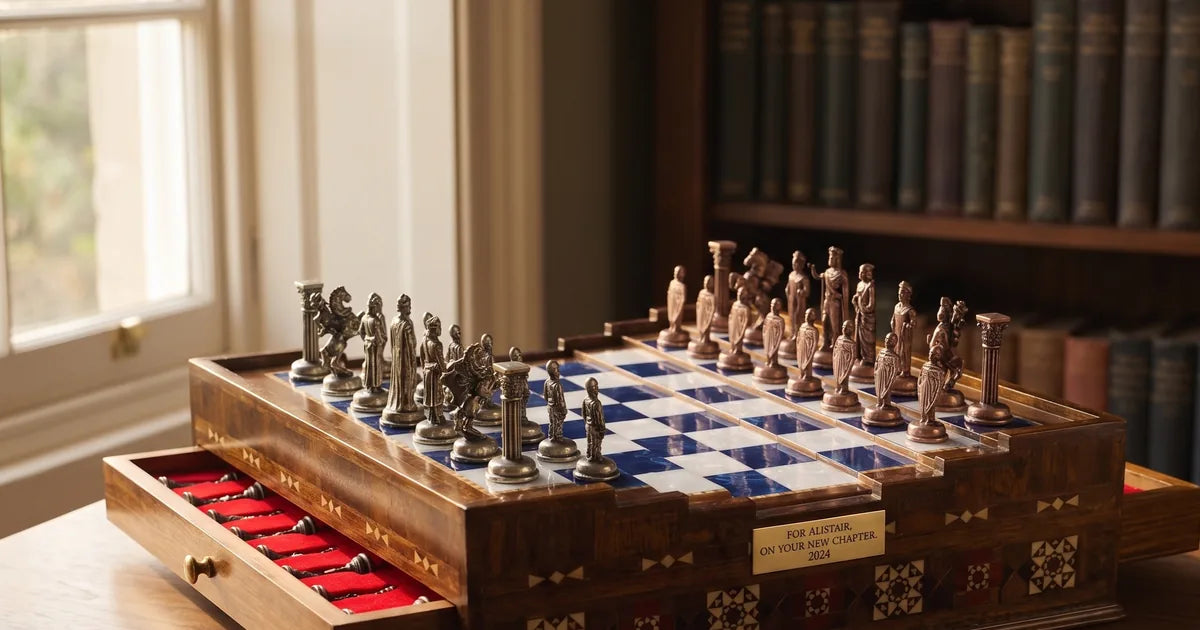
Tournament Chess Standards: What USCF and FIDE Require — and What Matters at Home
2 to 2.5-inch squares, a 3.75-inch king, Staunton design: what USCF and FIDE actually require in tournament chess — and how much of it applies at home.
Read more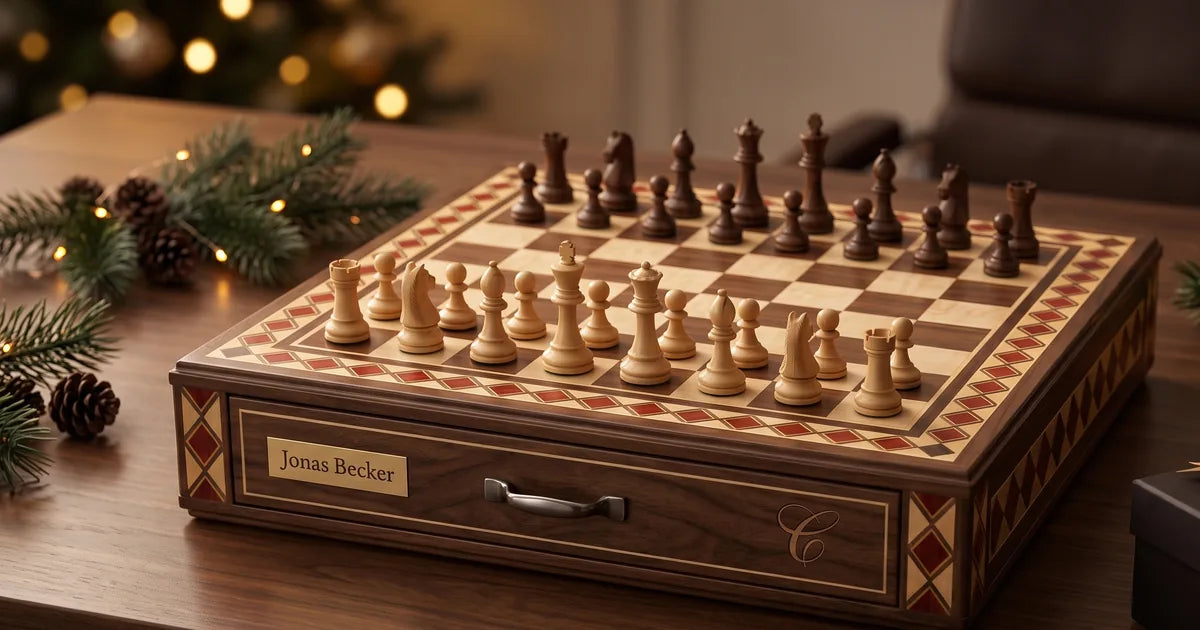
Engraving in Wood: What Becomes of It After Twenty Years
An engraving is a promise — does it hold up? Why laser engravings can't fade, what does change around them, and the one mistake that actually damages them.
Read more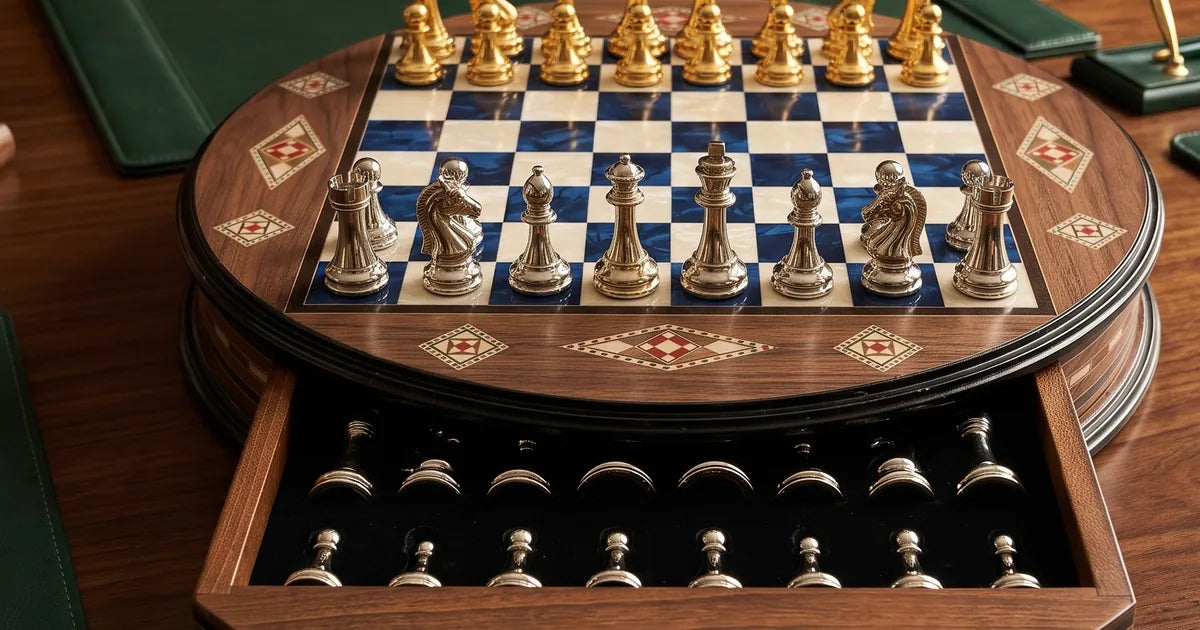
Chess in the Garden: Why the Best Games Happen Outdoors
The best games are summer games: what wind, sun, and moisture do to a wooden board — and the one rule that keeps it protected.
Read more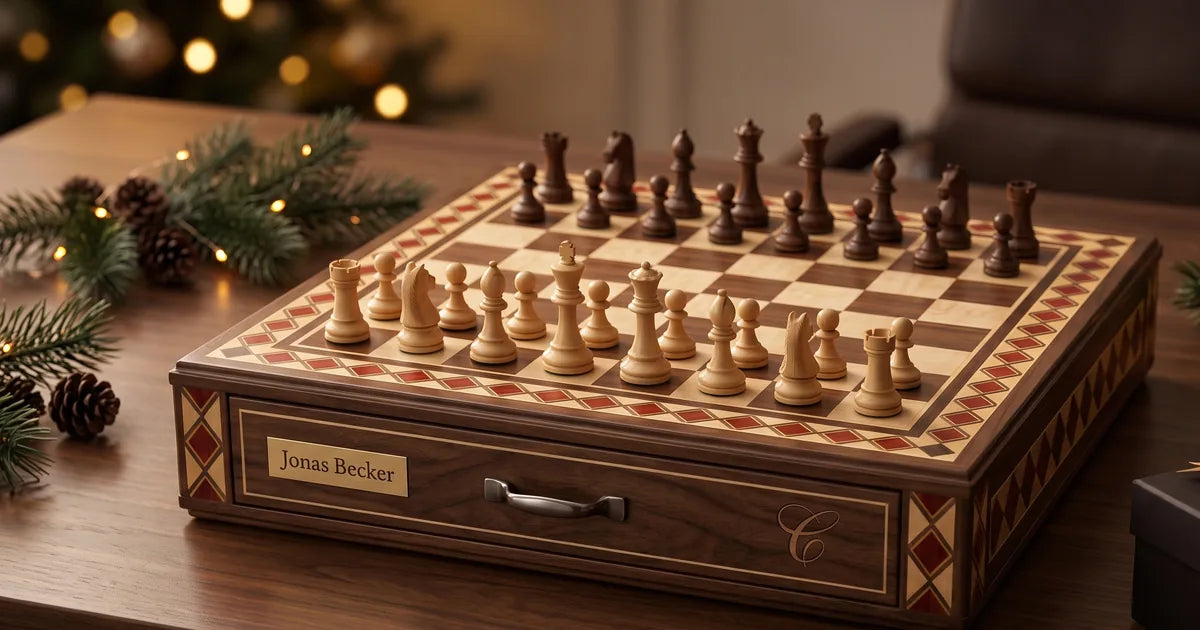
Patina: Why a Chess Board Gets More Beautiful With Age
After two years, the board's a different color — and that's a good thing. What patina is, how it differs from damage, and why you can't fake it.
Read more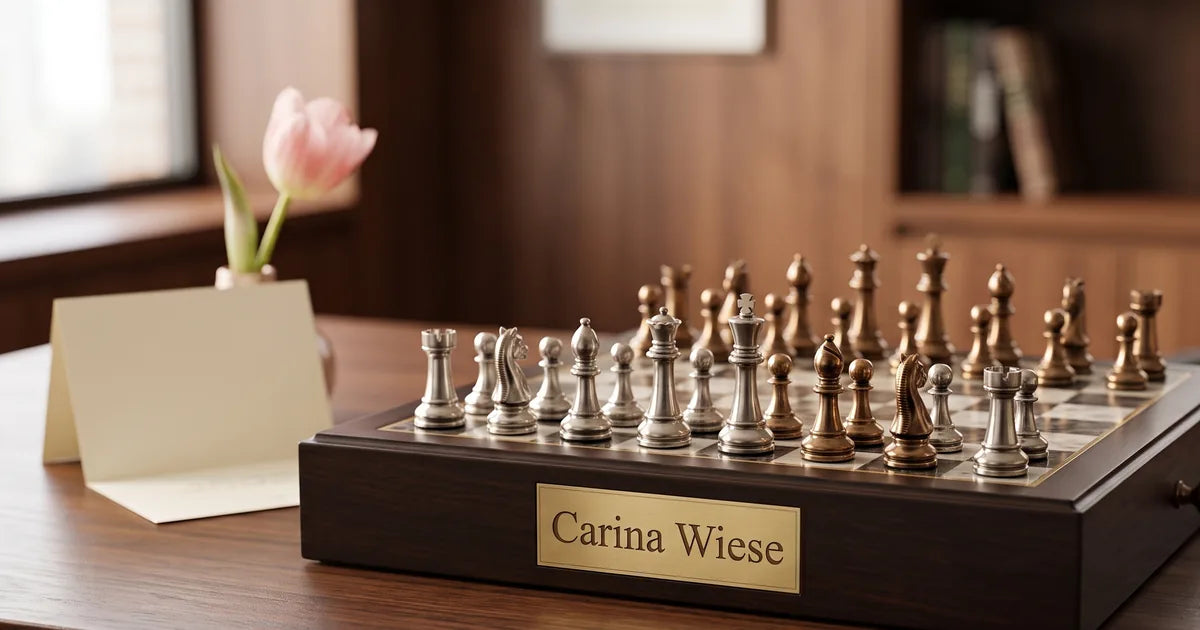
Storing a Chess Set Properly: Where Damage Actually Happens
Most damage doesn't happen during play — it happens in storage: the three enemies of wood, the right position, and the single simplest tip there is.
Read more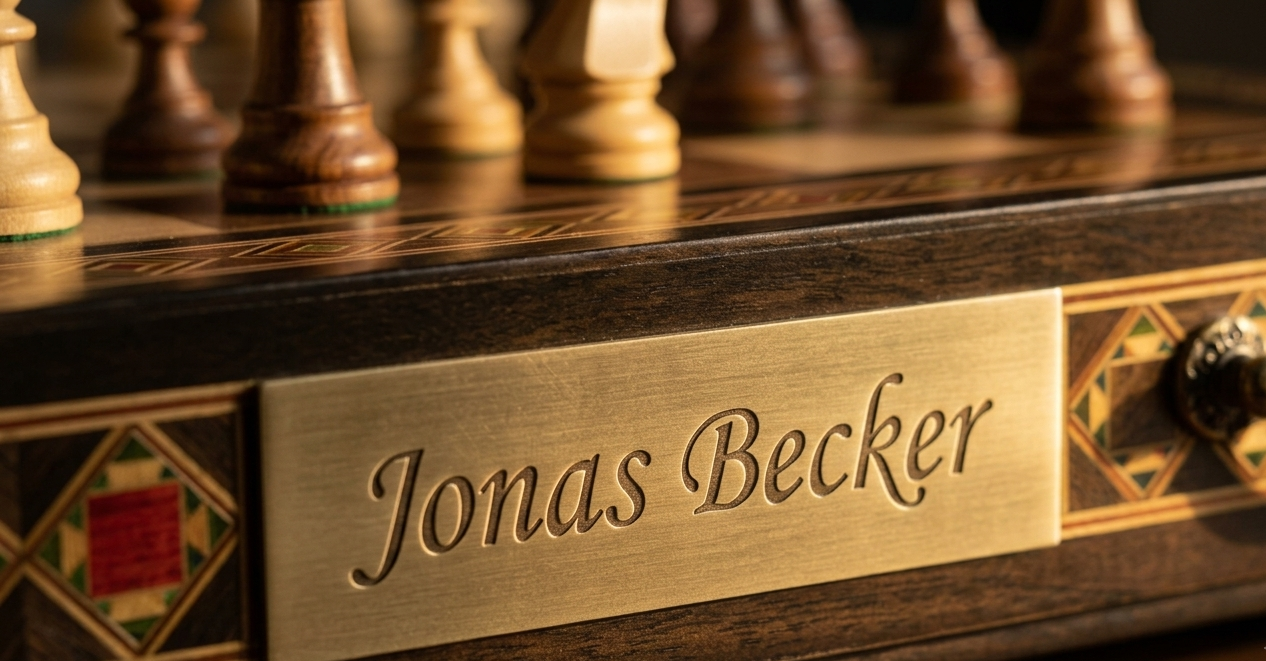
Chess and Berlin: The Game of a City That Allows Time
Folding tables in the park, long afternoons, a city built by newcomers: why chess and Berlin belong together — and what that has to do with how we work.
Read more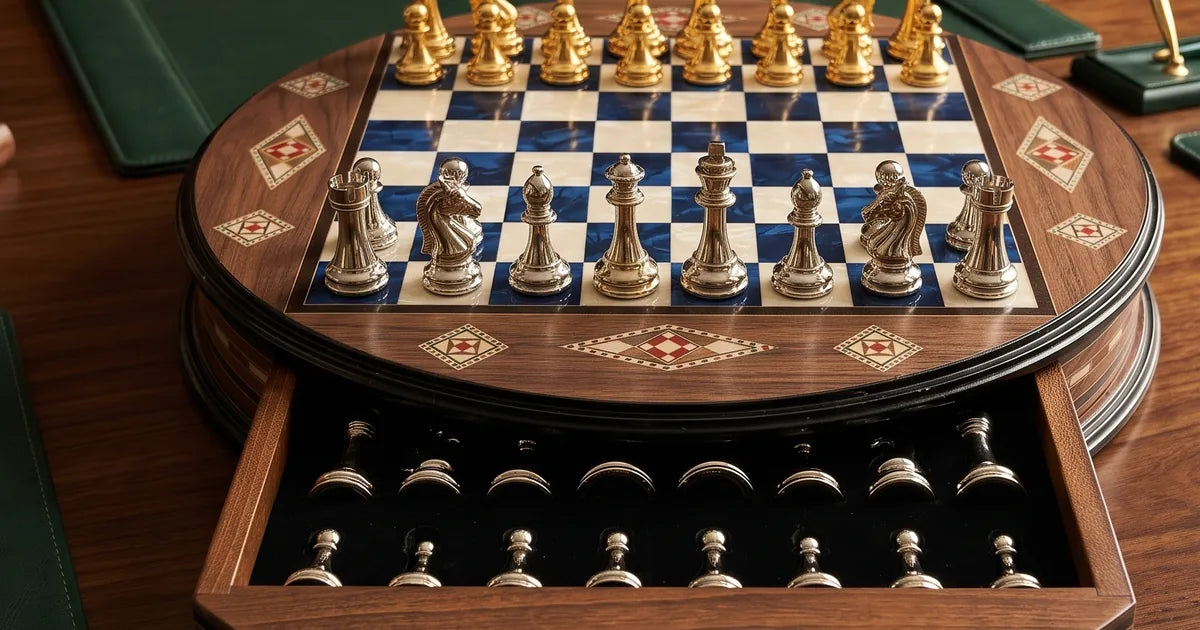
Finding the Right Chess Board: What Really Matters When Choosing
Which chess board is right for you? Five questions on use, pieces, wood, coordinates and gifting — plus the mistake almost everyone makes when buying.
Read more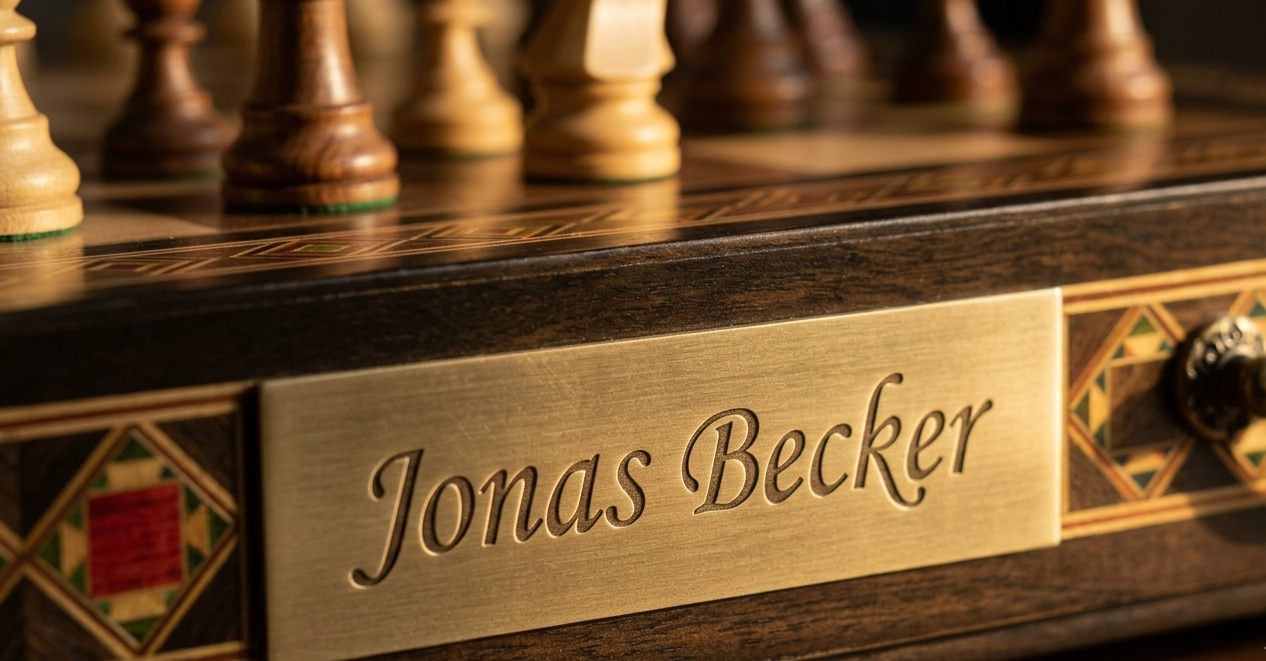
Chess Board Wood Types: Walnut, Maple, and Boxwood Compared
Walnut, maple, boxwood, wenge: which wood defines which chess board — and why solid versus veneered matters more than any species.
Read more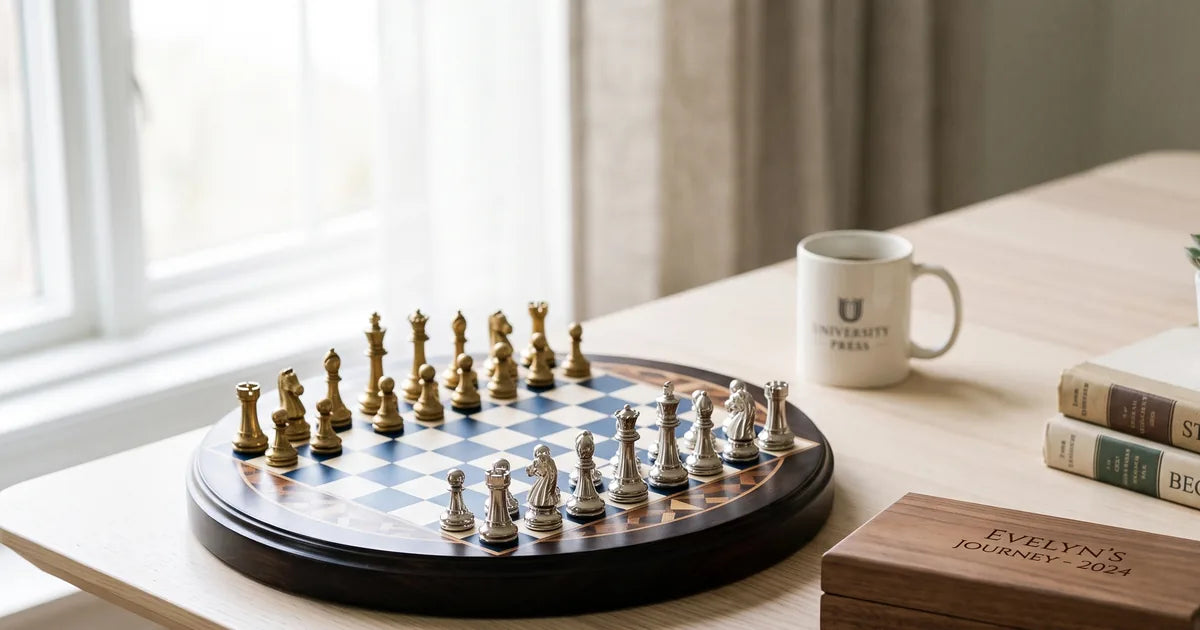
Buying a Chess Set: What Actually Matters
Material, size, pieces, craftsmanship, storage: the five things that actually matter when buying a chess set — and what really drives the price difference.
Read more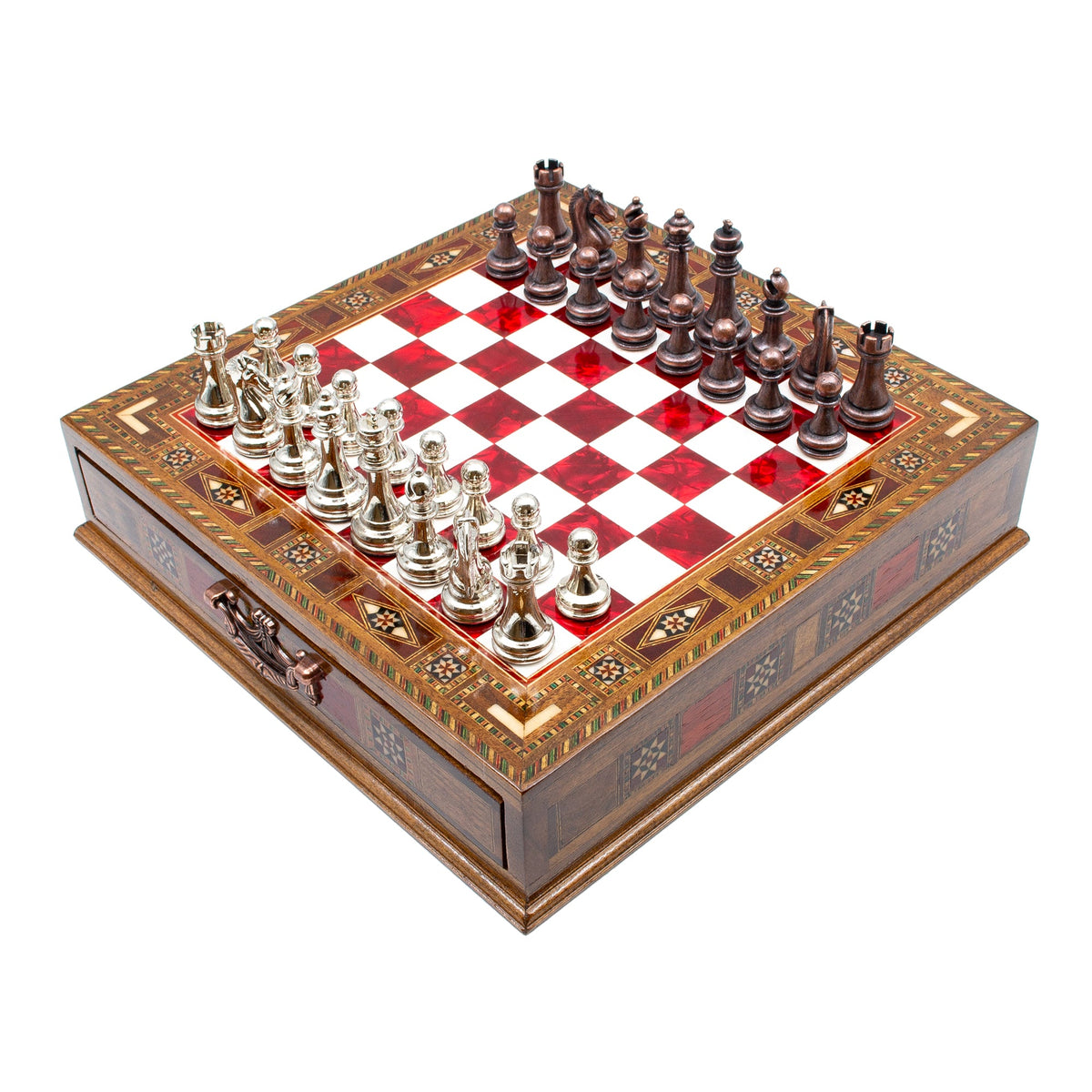
Schach spielen in Montpellier: Vereine und Geschichte
Schachvereine in Montpellier – Echecs Club Montpellier seit 1978, einst 'Club Anatoly Karpov', mit Sitz im mittelalterlichen Tour de la Babote.
Read more
Schach spielen in Nantes: Vereine und Geschichte
Schachvereine in Nantes – der Cercle d'Échecs de Nantes seit 1967, grösster Verein der Pays de la Loire, und sein Olympia-Trainingslager 1992 mit Dorfman.
Read more
Schach spielen in Lille: Vereine und Geschichte
Schachvereine in Lille – L'Echiquier Du Nord, gegründet 1846 und vermutlich ältester Schachverein Frankreichs, plus die Chessbar im Vieux-Lille.
Read more
Schach spielen in Strassburg: Vereine und Parkschach
Schachvereine, öffentliche Schachtische und Turniere in Strassburg – mit fast 500 Mitgliedern und zwei Park-Schachanlagen eine der lebendigsten Schachstädte Frankreichs.
Read more
Schach spielen in Bordeaux: Vereine und Geschichte
Schachvereine in Bordeaux – vom Echiquier Bordelais seit 1992 (mit GM Mathieu Cornette) bis zu Caïssa Bordeaux, gegründet 2023 von zwei Titelträgern.
Read more
Schach spielen in Nizza: Vereine und Geschichte
Schachvereine in Nizza – der Echiquier Niçois seit 1946, 1994 bester Jugend-Schachverein Frankreichs, und die Riviera Chess Academy.
Read more
Schach spielen in Toulouse: Vereine und Geschichte
Schachvereine in Toulouse – der Echiquier Toulousain seit 1913 und der CEIT mit sechs wöchentlichen Öffnungstagen in Lapujade.
Read more
Schach spielen in Marseille: Vereine und Geschichte
Schachvereine in Marseille – vom traditionsreichen Echiquier Marseillais 1872 bis zu Marseille-Échecs, Frankreichs grösstem Verein und Meister von 2011.
Read more
Schach spielen in Lyon: Vereine und Geschichte
Schachvereine und Turniere in Lyon – plus die Geschichte von Lasker 1912 bis zum WM-Kampf Kasparov gegen Karpow 1990.
Read more
Schach spielen in Paris: Vereine und Geschichte
Schachvereine und Turniere in Paris – plus die weltberühmte Geschichte des Café de la Régence, von Philidor über Morphy bis Capablanca.
Read more
Schach spielen in Lausanne: Vereine und Geschichte
Schachvereine und Spielabende in Lausanne – plus die Geschichte des Grand Echiquier Lausanne, entstanden 1991 aus zwei Traditionsvereinen seit 1942.
Read more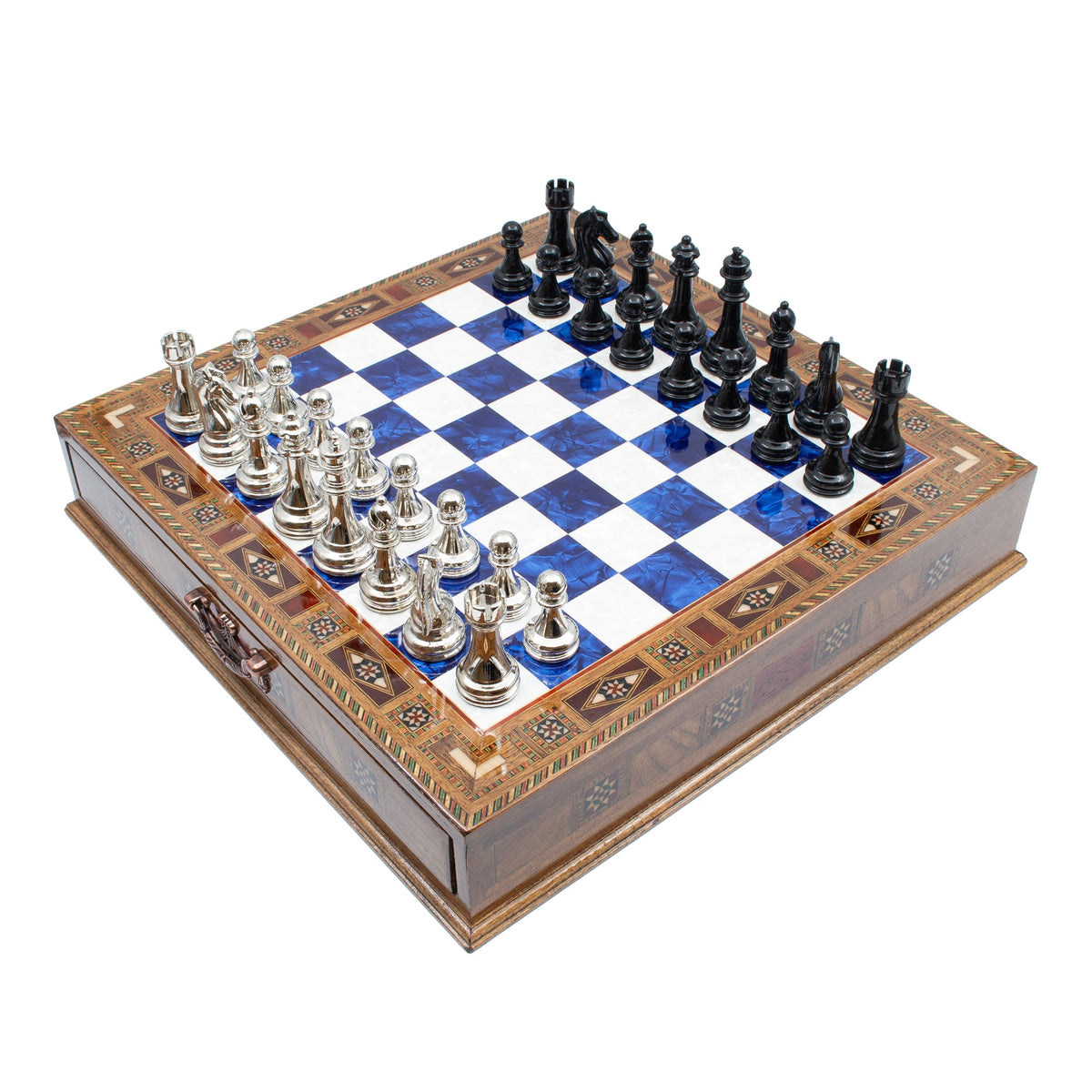
Schach spielen in Genf: Vereine und Turniere
Schachvereine und Spielabende in Genf – mit zwölf eigenständigen Vereinen eine der dichtesten Schachregionen der Schweiz, von CEVGE bis zur Villa Le Plonjon.
Read more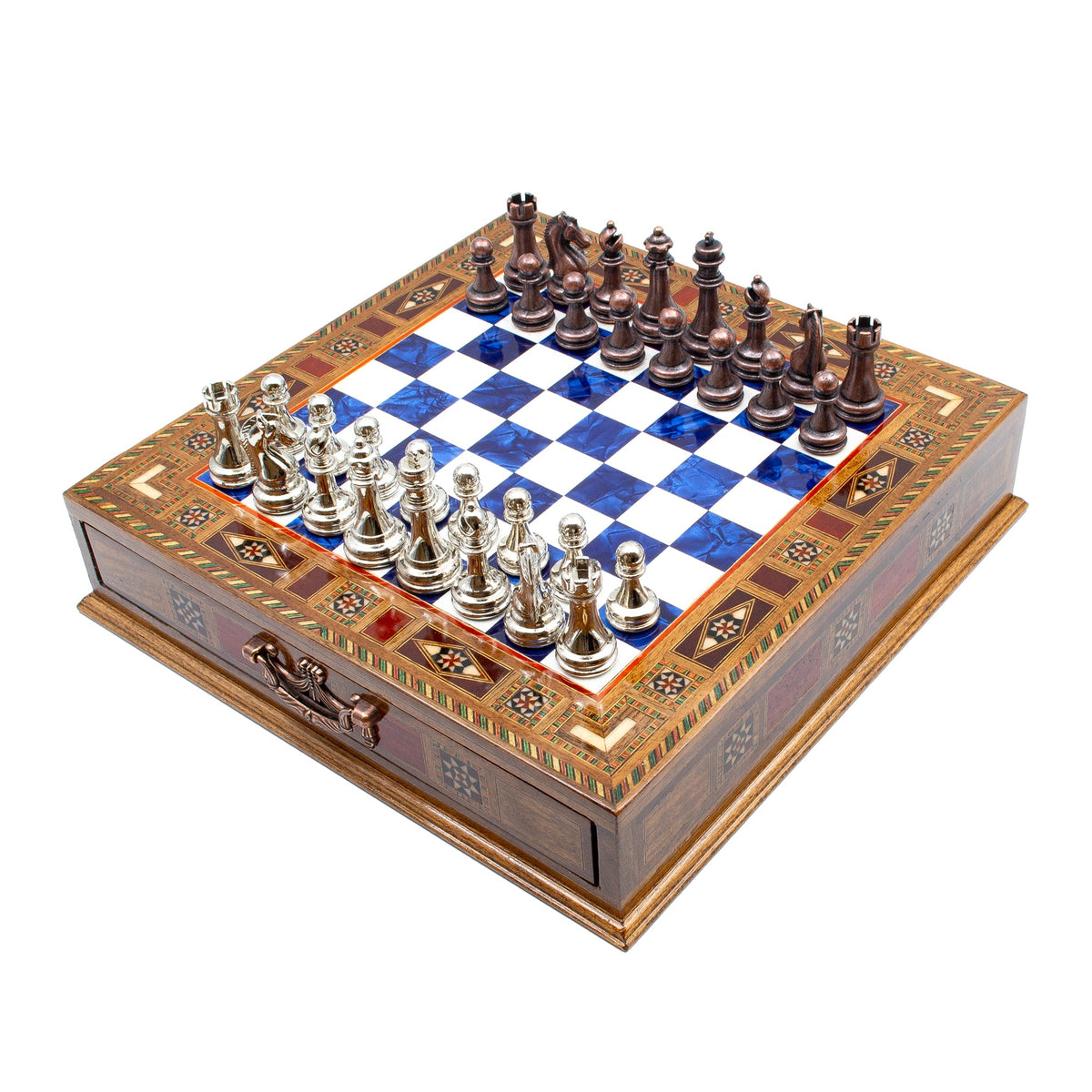
Schach spielen in Luzern: Vereine und Geschichte
Schachvereine und Spielabende in Luzern – plus die Geschichte der Schachgesellschaft Luzern seit 1875 und ihr Team in der Nationalliga A.
Read more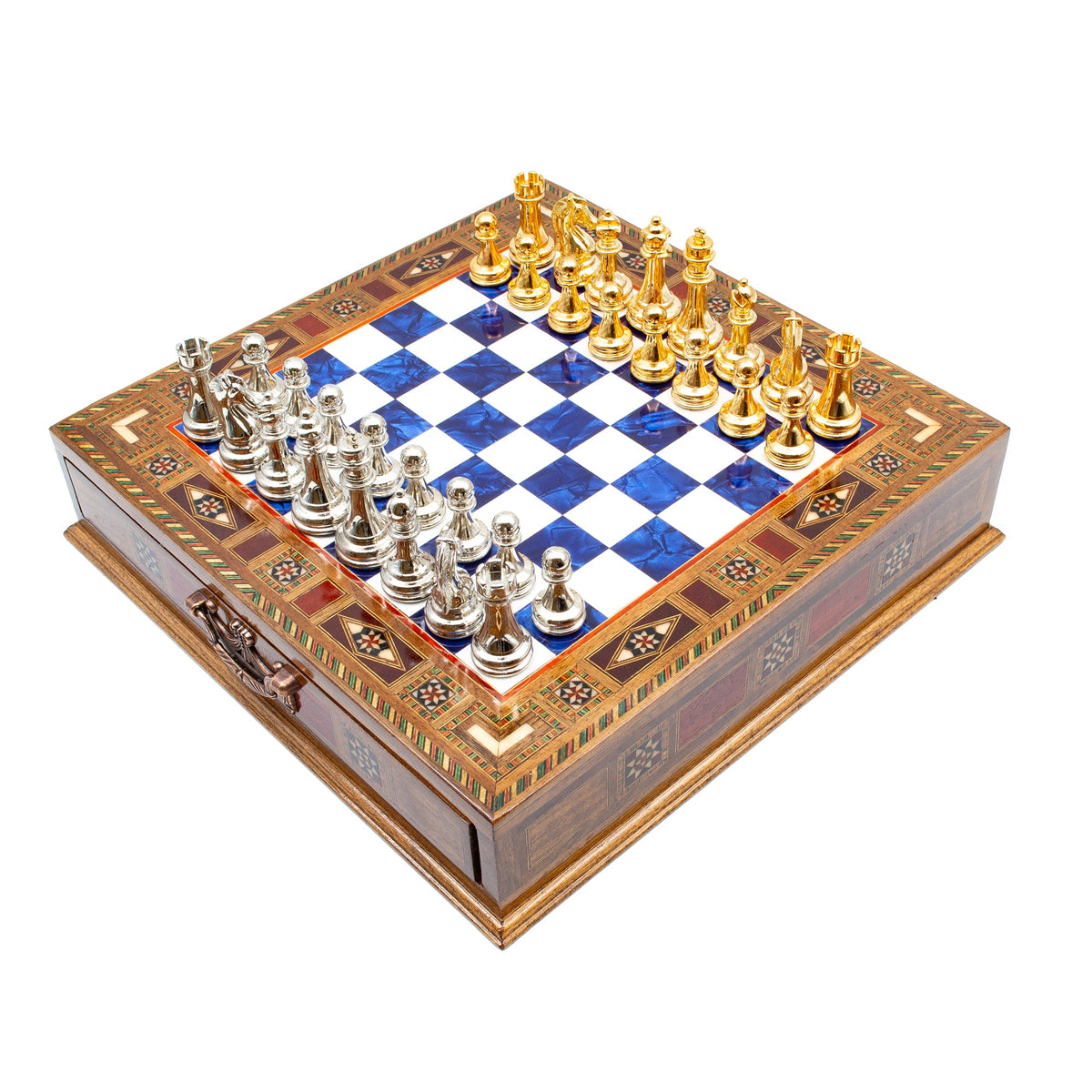
Schach spielen in Bern: Vereine, Turniere und Geschichte
Schachvereine und Spielabende in Bern – plus die Geschichte des Schachklubs Bern seit rund 1873 und Schweizer Meister André Lombard.
Read more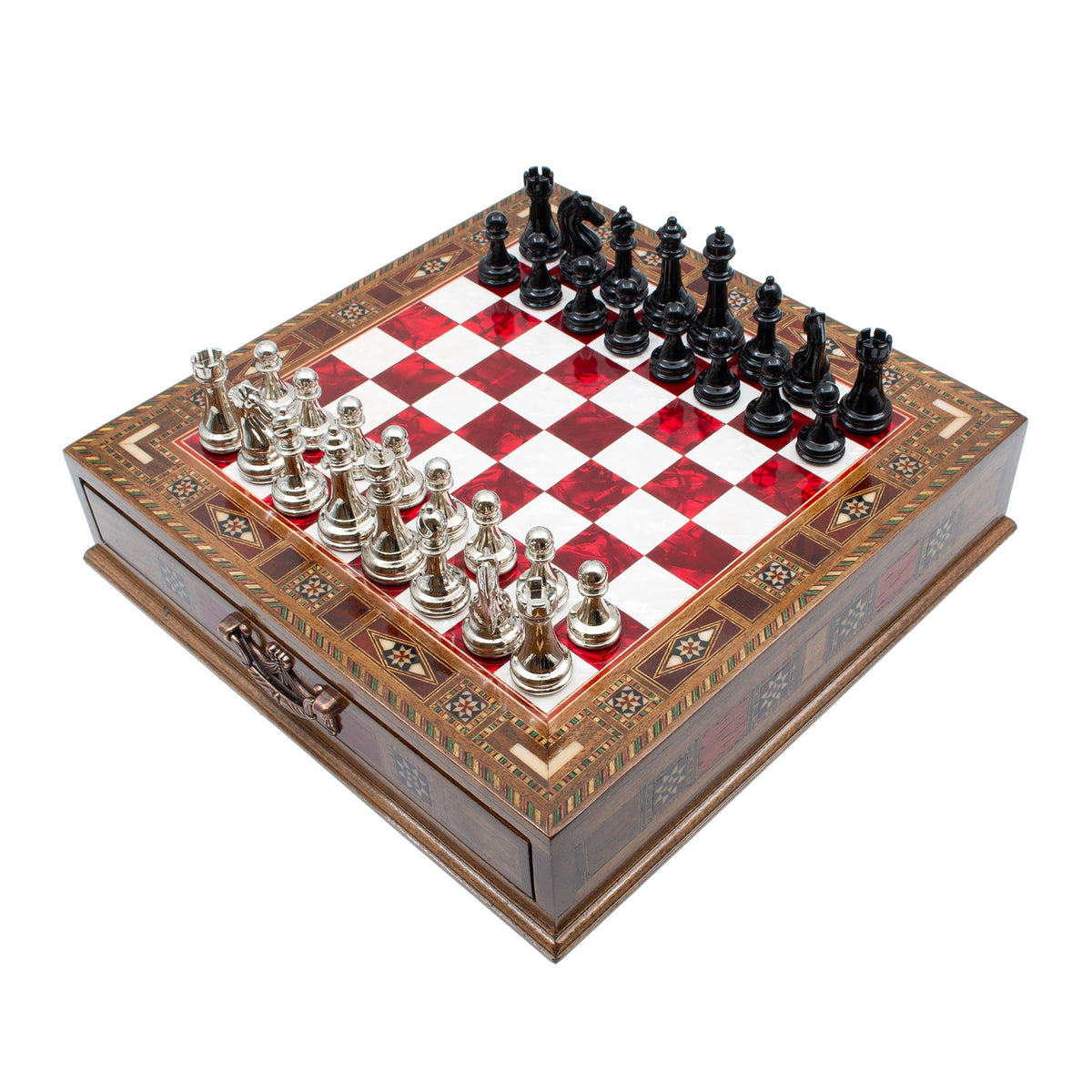
Schach spielen in Basel: Vereine und Turniere
Schachvereine, Spielabende und Turniere in Basel – von SC Basel Nord (1936) bis Schachverein Gundeldingen (1948) und der Nordwestschweizer Einzelmeisterschaft.
Read more
Schach spielen in Zürich: Vereine, Turniere und Geschichte
Schachvereine und Turniere in Zürich – plus die Geschichte der Schachgesellschaft Zürich, gegründet 1809 und ältester bestehender Schachverein der Welt.
Read more
Schach spielen in Innsbruck: Vereine und Geschichte
Schachvereine und Turniere in Innsbruck – plus die Geschichte von Schloss Ambras 1596 bis zu Laskers Simultanvorstellung 1913.
Read more
Schach spielen in Salzburg: Vereine, Cafés und Geschichte
Schachvereine, Kaffeehaus-Schach und Turniere in Salzburg – plus die Geschichte von Café Baldauf 1869 bis zu Café Mozart, Treffpunkt seit 1923.
Read more
Schach spielen in Linz: Vereine, Turniere und Schulschach
Schachvereine, Spielabende und Turniere in Linz – plus der aktuelle Schach-Boom an Linzer Schulen, vom Wahlfach bis zum Jugendverein JSV.
Read more
Schach spielen in Graz: Vereine, Turniere und Geschichte
Schachvereine, Spielabende und Turniere in Graz – plus die Geschichte der Grazer Schachgesellschaft, Österreichs ältestem aktivem Schachverein seit 1877.
Read more
Schach spielen in Wien: Vereine, Kaffeehäuser und Geschichte
Schachvereine, Kaffeehaus-Schach und Turniere in Wien – plus die grosse Geschichte von Steinitz bis zum WM-Kampf Lasker gegen Schlechter 1910.
Read more
Playing Chess in Hanover: Clubs, Tournaments and History
Chess clubs, game nights, tournaments and Hanover's chess history – from the 1902 congress of the German Chess Federation to HSK Lister Turm today.
Read more
Playing Chess in Nuremberg: Clubs, Tournaments and History
Playing chess in Nuremberg means: clubs with a fixed game night and a history reaching back to the legendary 1896 tournament with Lasker and Tarrasch. This guide shows exactly where.
Read more
Playing Chess in Dresden: Clubs, Tournaments and History
Playing chess in Dresden means: clubs with a fixed game night, open tournaments, and a history going back to the Schachheim at the Taschenbergpalais in 1928. This guide shows exactly where.
Read more
Playing Chess in Leipzig: Clubs, Tournaments and History
Playing chess in Leipzig means: the almost daily open chess center in Clara-Zetkin-Park, clubs with game nights, and a young, ambitious mind-sports center. This guide shows exactly where.
Read more
Playing Chess in Düsseldorf: Clubs, Tournaments and History
Playing chess in Düsseldorf means: clubs with a fixed game night, open tournaments, and a history going back to the 1862 Rhenish Chess Congress. This guide shows exactly where.
Read more
Playing Chess in Stuttgart: Clubs, Tournaments and History
Playing chess in Stuttgart means: clubs with a fixed game night, open tournaments like the city championship, and a history going back to 1879. This guide shows exactly where.
Read more
Playing Chess in Frankfurt: Clubs, Tournaments, and History
Playing chess in Frankfurt means clubs with a regular club night, open tournaments like the Monatsblitz, and a history that goes back to Adolf Anderssen. This guide shows you exactly where.
Read more
Chess in Cologne: Clubs, the Green Belt Scene, and Tournaments
Chess in Cologne means: long-established clubs with a regular club night, a growing Green Belt scene that includes chess boxing, and the open tournament in September. This guide shows you exactly w...
Read more
Playing Chess in Munich: Clubs, Outdoor Chess, and Tournaments
Playing chess in Munich means joining a club, visiting the new outdoor chess spot in Harlaching, or taking part in the OIS in September. This guide covers clubs with regular game nights and the cit...
Read more
Playing Chess in Hamburg: Clubs, Chess Tables, and Tournaments
Playing chess in Hamburg works in three ways: at a club, at one of the public chess tables in the parks, or at an open tournament. This guide collects game nights, addresses, and dates.
Read more